Was narzisstischer Missbrauch in dir zerstört – und wie du zu dir zurückfindest
Narzissmus & Selbstschutz
6,153 views
Narcissistic abuse robs many people of so much: strength, sleep, ease, trust, inner peace, and often even their sense of their own truth.
Many victims experience intense self-doubt after a toxic or narcissistically driven relationship. They ask themselves: Was I too sensitive? Did I overreact? Am I the problem? Why is it so hard for me to let go?
This article explores what narcissistic abuse can trigger within a person. I discuss gaslighting, victim-blaming, trauma bonding, shame, grief, inner parts, loss of identity, and the path back to self-confidence, dignity, and inner security.
You'll learn why letting go after narcissistic abuse is often so difficult, why your nervous system may remain on high alert, and why stabilization comes before deep processing.
The central idea of this article:
You may have been in survival mode for a long time. Now it's time to start sorting things out. And from this sorting, self-leadership can emerge.
When I speak of narcissistic abuse, I mean people with pronounced narcissistic patterns and damaging behavior. Diagnoses should be handled by professionals. This article focuses on dynamics, consequences, and paths back to clarity.
This article covers topics including:
• the difference between normal conflicts and narcissistic abuse • gaslighting and self-doubt
• trauma bonding and emotional attachment
• cognitive dissonance and inner turmoil • shame after toxic relationships
• anger as a healthy boundary-setting force • grief over relationships, hope, and lost time • inner parts after narcissistic abuse
• digital organization and protection
• maintaining contact with children, work, family, or finances
• stabilizing the nervous system
• returning to self-confidence, dignity, and healthy intimacy
In cases of violence, threats, stalking, excessive control, suicidal thoughts, or acute danger, please seek appropriate professional support, trusted individuals, counseling centers, medical help, the police, or emergency services.
Write in the comments:
What thought, experience, or small step helped you to trust your own perception more?
And what question about narcissistic abuse, toxic dynamics, or their consequences should I address in a future post?
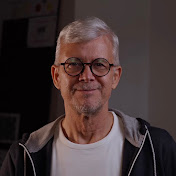
I'm Karsten Noack. As a therapist and coach, I support people in Berlin and online.
#Narcissism #Narcissists #ToxicRelationships
Help:
Coaching & Counseling - https://noack-therapie.de/coaching-um...
Therapy - https://noack-therapie.de/therapie-be...
YouTube:
Protection from Narcissists & Co. - @karsten-noack
Help with Narcissists & Co. - @thinktwice-actwise
Anxiety and Anxiety Disorders - @aengste
Homepage - https://www.karstennoack.de
Profile - https://www.karstennoack.de/karsten-n...
Instagram - Instagram: karstennoack
This post does not replace professional advice and is not intended for the diagnosis of pathological narcissism, but rather aims to help people avoid unpleasant individuals. Go and don't let yourself be taken advantage of.
For the sake of simplicity, I will refer to women and men with pronounced narcissistic tendencies who disadvantage and hurt other people as narcissists and other villains, mostly villains.
This video does not refer to any specific person and may not be used to label anyone as a narcissist. It is not permitted to use or republish this video, especially not to support the assumption that the creator of the video believes or claims that a specific person is a narcissist. Such use of the video and the information contained therein is prohibited.
Disclaimer:
Karsten Noack assumes no liability for the timeliness, accuracy, completeness, or quality of the information provided. Scientific sources may contain contradictory statements. Liability claims against Karsten Noack relating to material or immaterial damages caused by the use or non-use of the information provided, or by incorrect or incomplete content, are excluded unless there is evidence of intent or gross negligence.
My content on YouTube and the linked websites of Karsten do not replace medical or psychotherapeutic advice, diagnosis, or treatment.
12 Comments
Was narzisstischer Missbrauch in dir zerstört – und wie du zu dir zurückfindest
Narzissmus & Selbstschutz
6,153 views
Narcissistic abuse robs many people of so much: strength, sleep, ease, trust, inner peace, and often even their sense of their own truth.
Many victims experience intense self-doubt after a toxic or narcissistically driven relationship. They ask themselves: Was I too sensitive? Did I overreact? Am I the problem? Why is it so hard for me to let go?
This article explores what narcissistic abuse can trigger within a person. I discuss gaslighting, victim-blaming, trauma bonding, shame, grief, inner parts, loss of identity, and the path back to self-confidence, dignity, and inner security.
You'll learn why letting go after narcissistic abuse is often so difficult, why your nervous system may remain on high alert, and why stabilization comes before deep processing.
The central idea of this article:
You may have been in survival mode for a long time. Now it's time to start sorting things out. And from this sorting, self-leadership can emerge.
When I speak of narcissistic abuse, I mean people with pronounced narcissistic patterns and damaging behavior. Diagnoses should be handled by professionals. This article focuses on dynamics, consequences, and paths back to clarity.
This article covers topics including:
• the difference between normal conflicts and narcissistic abuse • gaslighting and self-doubt
• trauma bonding and emotional attachment
• cognitive dissonance and inner turmoil • shame after toxic relationships
• anger as a healthy boundary-setting force • grief over relationships, hope, and lost time • inner parts after narcissistic abuse
• digital organization and protection
• maintaining contact with children, work, family, or finances
• stabilizing the nervous system
• returning to self-confidence, dignity, and healthy intimacy
In cases of violence, threats, stalking, excessive control, suicidal thoughts, or acute danger, please seek appropriate professional support, trusted individuals, counseling centers, medical help, the police, or emergency services.
Write in the comments:
What thought, experience, or small step helped you to trust your own perception more?
And what question about narcissistic abuse, toxic dynamics, or their consequences should I address in a future post?
I'm Karsten Noack. As a therapist and coach, I support people in Berlin and online.
#Narcissism #Narcissists #ToxicRelationships
Help:
Coaching & Counseling - https://noack-therapie.de/coaching-um...
Therapy - https://noack-therapie.de/therapie-be...
YouTube:
Protection from Narcissists & Co. - @karsten-noack
Help with Narcissists & Co. - @thinktwice-actwise
Anxiety and Anxiety Disorders - @aengste
Homepage - https://www.karstennoack.de
Profile - https://www.karstennoack.de/karsten-n...
Instagram - Instagram: karstennoack
This post does not replace professional advice and is not intended for the diagnosis of pathological narcissism, but rather aims to help people avoid unpleasant individuals. Go and don't let yourself be taken advantage of.
For the sake of simplicity, I will refer to women and men with pronounced narcissistic tendencies who disadvantage and hurt other people as narcissists and other villains, mostly villains.
This video does not refer to any specific person and may not be used to label anyone as a narcissist. It is not permitted to use or republish this video, especially not to support the assumption that the creator of the video believes or claims that a specific person is a narcissist. Such use of the video and the information contained therein is prohibited.
Disclaimer:
Karsten Noack assumes no liability for the timeliness, accuracy, completeness, or quality of the information provided. Scientific sources may contain contradictory statements. Liability claims against Karsten Noack relating to material or immaterial damages caused by the use or non-use of the information provided, or by incorrect or incomplete content, are excluded unless there is evidence of intent or gross negligence.
My content on YouTube and the linked websites of Karsten do not replace medical or psychotherapeutic advice, diagnosis, or treatment.
Für mich genau zum richtigen Zeitpunkt.
Erst gestern war ich wieder einmal kurz davor, aus meiner Empörung heraus, auf eine entsprechende WhatsApp zu reagieren, was ich jedoch nicht tat.
Heute bin ich froh und erleichtert erst einmal eine Nacht drüber geschlafen zu haben.
Ihr Beitrag hat mir erneut und einmal mehr die Augen geöffnet und wertvolle Werkzeuge zur Verfügung gestellt, wieder in Verbindung zu mir selbst zu kommen und mich nicht wieder und wieder in dieses Psychospiel hineinziehen zu lassen.
❤lichen Dank für Ihre wertvolle Arbeit und Ihr Engagement!!