Por Qué los Guerreros Apache Preferían Moverse Cuando Caía la Noche
Comanche Ancestral
9,260 views
Why Apache Warriors Preferred to Move After Nightfall
Why did some Apache warriors prefer to move after nightfall?
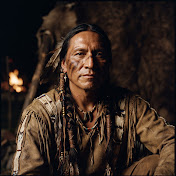
In this documentary, we explore how darkness could become an advantage for Apache groups who knew the mountains and deserts of the Southwest well. Traveling after dark could mean less heat, less water loss, reduced visibility for pursuers, and more opportunities to gain distance without exhausting men and horses.
It wasn't a matter of "special power" to see in the dark. The real advantage lay in knowledge of the terrain, route memory, navigation, the use of streams and ridges, effort management, and the ability to move when pursuers had the most difficulty following a clear trail.
We'll also see why nighttime movement could reduce physical exertion, how sound, visibility, and tracking changed at night, and why moving in the dark required discipline, experience, and a deep understanding of the landscape.
The history of the Apache peoples is diverse, and their practices varied depending on the region, group, and era. This video presents a narrative reconstruction based on mobility, survival, evasion, and knowledge of the terrain in the American Southwest.
What city or country are you watching this video from? Let us know in the comments.
If you're interested in the Apache, survival, the history of the Southwest, tracking, and mobility strategies in extreme terrain, subscribe to the channel for more stories like this.
#Apache #ApacheHistory #Survival
1 Comments

Por Qué los Guerreros Apache Preferían Moverse Cuando Caía la Noche
Comanche Ancestral
9,260 views
Why Apache Warriors Preferred to Move After Nightfall
Why did some Apache warriors prefer to move after nightfall?
In this documentary, we explore how darkness could become an advantage for Apache groups who knew the mountains and deserts of the Southwest well. Traveling after dark could mean less heat, less water loss, reduced visibility for pursuers, and more opportunities to gain distance without exhausting men and horses.
It wasn't a matter of "special power" to see in the dark. The real advantage lay in knowledge of the terrain, route memory, navigation, the use of streams and ridges, effort management, and the ability to move when pursuers had the most difficulty following a clear trail.
We'll also see why nighttime movement could reduce physical exertion, how sound, visibility, and tracking changed at night, and why moving in the dark required discipline, experience, and a deep understanding of the landscape.
The history of the Apache peoples is diverse, and their practices varied depending on the region, group, and era. This video presents a narrative reconstruction based on mobility, survival, evasion, and knowledge of the terrain in the American Southwest.
What city or country are you watching this video from? Let us know in the comments.
If you're interested in the Apache, survival, the history of the Southwest, tracking, and mobility strategies in extreme terrain, subscribe to the channel for more stories like this.
#Apache #ApacheHistory #Survival