Cómo Descansaban los Guerreros Apache sin Dar Tiempo a sus Perseguidores para Alcanzarlos
Comanche Ancestral
1,260 views
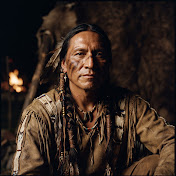
How Apache Warriors Rested Without Giving Their Pursuers Time to Catch Them
How did Apache warriors rest without allowing their pursuers to catch them?
In this documentary, we explore how rest could become an essential part of Apache survival, evasion, and mobility. When a small group needed to regain strength, care for the horses, check their equipment, and get some sleep, they couldn't do it just any old way. The place, time, and duration of each break could make the difference between maintaining the advantage or losing it.
It wasn't about stopping completely and waiting. The real advantage lay in knowing when to rest, where to hide, how to watch the terrain, how to use the shade, how to divide watch shifts, and how to take advantage of the time the pursuer wasted tracking the trail.
We'll also see why a short break could conserve water and energy, how a long rest was only possible in a well-chosen location, why the horses needed recovery just like the men, and how managing fatigue could be as important as speed.
The history of the Apache peoples is diverse, and their practices varied by region, group, and era. This video presents a narrative reconstruction based on rest, resistance, persecution, mobility, and knowledge of the terrain in the American Southwest.
What city or country are you watching this video from? Let us know in the comments.
If you're interested in the Apache, survival, the history of the Southwest, historical persecutions, and mobility strategies in extreme terrain, subscribe to the channel for more stories like this.
#apache #Survival #apachehistory
2 Comments

Cómo Descansaban los Guerreros Apache sin Dar Tiempo a sus Perseguidores para Alcanzarlos
Comanche Ancestral
1,260 views
How Apache Warriors Rested Without Giving Their Pursuers Time to Catch Them
How did Apache warriors rest without allowing their pursuers to catch them?
In this documentary, we explore how rest could become an essential part of Apache survival, evasion, and mobility. When a small group needed to regain strength, care for the horses, check their equipment, and get some sleep, they couldn't do it just any old way. The place, time, and duration of each break could make the difference between maintaining the advantage or losing it.
It wasn't about stopping completely and waiting. The real advantage lay in knowing when to rest, where to hide, how to watch the terrain, how to use the shade, how to divide watch shifts, and how to take advantage of the time the pursuer wasted tracking the trail.
We'll also see why a short break could conserve water and energy, how a long rest was only possible in a well-chosen location, why the horses needed recovery just like the men, and how managing fatigue could be as important as speed.
The history of the Apache peoples is diverse, and their practices varied by region, group, and era. This video presents a narrative reconstruction based on rest, resistance, persecution, mobility, and knowledge of the terrain in the American Southwest.
What city or country are you watching this video from? Let us know in the comments.
If you're interested in the Apache, survival, the history of the Southwest, historical persecutions, and mobility strategies in extreme terrain, subscribe to the channel for more stories like this.
#apache #Survival #apachehistory