The Story Behind the Most Iconic Single-Neck Pedal Steel in History
Shane Frame Sessions
6,448 views
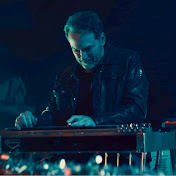
The Story Behind the Most Iconic Single-Neck Pedal Steel in History.
In 1972, Nashville "A-Team" session legend Lloyd Green did something radical: he ran a data audit on his own career. After counting 595 sessions in a single year and realizing he only used his C6 neck six times, he decided to disrupt decades of tradition.
This is the definitive history of the Sho-Bud LDG. From the "wardrobe conflict" that was ruining Lloyd's expensive Levy's sport coats to the mechanical evolution from the Pro-II to the Super Pro, we explore how one man’s analytical mind birthed the SD-10 configuration.
In this video, we cover:
The Logic of the LDG: Why 18 pounds of weight and a second neck had to go.
The Technical Evolution: Birdseye Maple, the 24.5” scale vs. the 24” production scale, and the secret of the "Emerald Green" food-coloring lacquer.
The "SP" Mystery: How to identify rare custom-painted models.
The Legacy: How a modified "Crossover" prototype changed the industry forever.
Featuring historical data on:
Original retail pricing from 1973–1981 ($1,195 to $1,720).
The Sho-Bud "Rounded Front" era.
The naming of the LDG (David Jackson vs. Dot Green).
Lloyd Green, Sho-Bud LDG, Pedal Steel Guitar History, SD-10 Pedal Steel, Nashville A-Team, Shot Jackson, David Jackson Sho-Bud, Emerald Green Sho-Bud, Vintage Pedal Steel, Country Music History.
Single Neck E9, Birdseye Maple Pedal Steel, Pro-II Sho-Bud, Super Pro Sho-Bud, Nitrocellulose Lacquer Fading, Nashville Music Row 1970s, Steel Guitar Gear, Lloyd Green Tone.
Pedal Steel Guitar, Sho-Bud, Lloyd Green, Music Row, Nashville Session Player, Guitar Innovation, Vintage Gear, SD-10.
16 Comments

The Story Behind the Most Iconic Single-Neck Pedal Steel in History
Shane Frame Sessions
6,448 views
The Story Behind the Most Iconic Single-Neck Pedal Steel in History.
In 1972, Nashville "A-Team" session legend Lloyd Green did something radical: he ran a data audit on his own career. After counting 595 sessions in a single year and realizing he only used his C6 neck six times, he decided to disrupt decades of tradition.
This is the definitive history of the Sho-Bud LDG. From the "wardrobe conflict" that was ruining Lloyd's expensive Levy's sport coats to the mechanical evolution from the Pro-II to the Super Pro, we explore how one man’s analytical mind birthed the SD-10 configuration.
In this video, we cover:
The Logic of the LDG: Why 18 pounds of weight and a second neck had to go.
The Technical Evolution: Birdseye Maple, the 24.5” scale vs. the 24” production scale, and the secret of the "Emerald Green" food-coloring lacquer.
The "SP" Mystery: How to identify rare custom-painted models.
The Legacy: How a modified "Crossover" prototype changed the industry forever.
Featuring historical data on:
Original retail pricing from 1973–1981 ($1,195 to $1,720).
The Sho-Bud "Rounded Front" era.
The naming of the LDG (David Jackson vs. Dot Green).
Lloyd Green, Sho-Bud LDG, Pedal Steel Guitar History, SD-10 Pedal Steel, Nashville A-Team, Shot Jackson, David Jackson Sho-Bud, Emerald Green Sho-Bud, Vintage Pedal Steel, Country Music History.
Single Neck E9, Birdseye Maple Pedal Steel, Pro-II Sho-Bud, Super Pro Sho-Bud, Nitrocellulose Lacquer Fading, Nashville Music Row 1970s, Steel Guitar Gear, Lloyd Green Tone.
Pedal Steel Guitar, Sho-Bud, Lloyd Green, Music Row, Nashville Session Player, Guitar Innovation, Vintage Gear, SD-10.