Grenzstation Helmstedt - Erfolgskonzept am Zonenrand (Remastered)
Zurückgespult – Geschichte auf VHS-Band
52,189 views
This historical film from 1980 documents life in the town of Helmstedt, which, due to its location directly on the inner-German border, played a special role in divided Germany. While the Helmstedt-Marienborn border crossing was known as the most important checkpoint for transit traffic to West Berlin, the documentary reveals the successful approach of a town that defended its identity despite the menacing backdrop of GDR watchtowers and barrier fences.
The footage travels from the border crossing on the A2 motorway, past the historic market square, to the Helmstedt lignite mining area. Lignite was extracted from this economically significant open-cast mine south of the town – on both sides of the border. The Braunschweigische Kohlen-Bergwerke AG (BKB) was the region's largest employer. Looking out over the vast open-cast mines, one can sense how directly the barrier system of metal fences and watchtowers interfered even with the operational processes of the mining operations. Because the GDR border fence had to be regularly moved to accommodate the needs of the open-cast mine, an almost surreal normality developed right at the edge of the excavation, which here also marked the Iron Curtain.
In addition to the economic aspects and the significance of mining along the border, the film also illuminates the political peculiarities of the town of 28,000 inhabitants. A particular focus is on the fate of the miners who lost their jobs overnight at the Harbke lignite-fired power plant due to the sudden border security measures in May 1952, as well as on the close interrelationship between industry and nature in the shadow of the border fortifications. Interviews with local politicians and glimpses into cultural life, such as the Bach Choir, trace the social structure of that era. The documentary presents itself as a compelling portrait of a border town navigating its way between historical heritage and harsh reality...
00:00 Helmstedt border checkpoint and transit traffic
00:26 View of Marienborn and the GDR border security
01:35 Helmstedt-South rest area on Autobahn 2
02:06 Helmstedt: A town steeped in history
04:10 Local politics and council meeting in Helmstedt
04:49 Partnerships: From Madagascar to Tunisia
05:58 Insights from Mayor Hans-Otto Kieschke
07:19 Aerial view of the restricted area near Beendorf
08:58 Curious cases: Fallen trees along the demarcation line
09:24 Magdeburger Warte and the closed B1 federal highway
10:44 Bad Helmstedt: Tourism and culture
11:33 Federal Border Guard & Customs directly on the demarcation line
11:52 Interview with Rolf Reinemann on the origins of the Border
15:18 Interview with Rudolf Hauck on border zone development
16:05 Helmstedt's infrastructure
16:40 Helmstedt's job market
18:51 Overview of Helmstedt's lignite seams
19:14 Interview with Willi Schwarzer on the General Agreement & border closure
21:55 Border barriers in the Harbke open-cast mine
22:46 Border fence moves with the mining area
23:22 Helmstedt's clubs and associations and historical buildings
24:45 Urban planning and life in the new housing development
25:35 Helmstedt train station: Locomotive changes and interzonal trains
26:35 Festive concert: Christmas Bach Choir
📺 Source: ZDF (Second German Television) / "Border Station Helmstedt - A Success Story on the Border Zone" (1980)
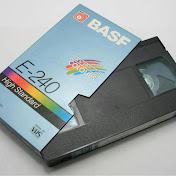
📼 VHS recording, digitally restored and made available online to preserve historical documents.
#InnerGermanBorder #Helmstedt #Marienborn #BorderOfTheZone #GDR #ContemporaryHistory #BorderCrossing #Lignite #ColdWar #Harbke #DivisionOfGermany #BorderBarriers
15 Comments

Ein Beispiel: Bei 3:00 steht dort "PILANER" und verwandelt sich ein paar Frames später in "PILSNER". Das ist nicht in Ordnung. Ich hätte das Video lieber im Original gesehen.
Grenzstation Helmstedt - Erfolgskonzept am Zonenrand (Remastered)
Zurückgespult – Geschichte auf VHS-Band
52,189 views
This historical film from 1980 documents life in the town of Helmstedt, which, due to its location directly on the inner-German border, played a special role in divided Germany. While the Helmstedt-Marienborn border crossing was known as the most important checkpoint for transit traffic to West Berlin, the documentary reveals the successful approach of a town that defended its identity despite the menacing backdrop of GDR watchtowers and barrier fences.
The footage travels from the border crossing on the A2 motorway, past the historic market square, to the Helmstedt lignite mining area. Lignite was extracted from this economically significant open-cast mine south of the town – on both sides of the border. The Braunschweigische Kohlen-Bergwerke AG (BKB) was the region's largest employer. Looking out over the vast open-cast mines, one can sense how directly the barrier system of metal fences and watchtowers interfered even with the operational processes of the mining operations. Because the GDR border fence had to be regularly moved to accommodate the needs of the open-cast mine, an almost surreal normality developed right at the edge of the excavation, which here also marked the Iron Curtain.
In addition to the economic aspects and the significance of mining along the border, the film also illuminates the political peculiarities of the town of 28,000 inhabitants. A particular focus is on the fate of the miners who lost their jobs overnight at the Harbke lignite-fired power plant due to the sudden border security measures in May 1952, as well as on the close interrelationship between industry and nature in the shadow of the border fortifications. Interviews with local politicians and glimpses into cultural life, such as the Bach Choir, trace the social structure of that era. The documentary presents itself as a compelling portrait of a border town navigating its way between historical heritage and harsh reality...
00:00 Helmstedt border checkpoint and transit traffic
00:26 View of Marienborn and the GDR border security
01:35 Helmstedt-South rest area on Autobahn 2
02:06 Helmstedt: A town steeped in history
04:10 Local politics and council meeting in Helmstedt
04:49 Partnerships: From Madagascar to Tunisia
05:58 Insights from Mayor Hans-Otto Kieschke
07:19 Aerial view of the restricted area near Beendorf
08:58 Curious cases: Fallen trees along the demarcation line
09:24 Magdeburger Warte and the closed B1 federal highway
10:44 Bad Helmstedt: Tourism and culture
11:33 Federal Border Guard & Customs directly on the demarcation line
11:52 Interview with Rolf Reinemann on the origins of the Border
15:18 Interview with Rudolf Hauck on border zone development
16:05 Helmstedt's infrastructure
16:40 Helmstedt's job market
18:51 Overview of Helmstedt's lignite seams
19:14 Interview with Willi Schwarzer on the General Agreement & border closure
21:55 Border barriers in the Harbke open-cast mine
22:46 Border fence moves with the mining area
23:22 Helmstedt's clubs and associations and historical buildings
24:45 Urban planning and life in the new housing development
25:35 Helmstedt train station: Locomotive changes and interzonal trains
26:35 Festive concert: Christmas Bach Choir
📺 Source: ZDF (Second German Television) / "Border Station Helmstedt - A Success Story on the Border Zone" (1980)
📼 VHS recording, digitally restored and made available online to preserve historical documents.
#InnerGermanBorder #Helmstedt #Marienborn #BorderOfTheZone #GDR #ContemporaryHistory #BorderCrossing #Lignite #ColdWar #Harbke #DivisionOfGermany #BorderBarriers