Roland Fryer on the Arday Scandal, Academic Cowardice, and What He’s Doing About It
Coleman Hughes
147,426 views
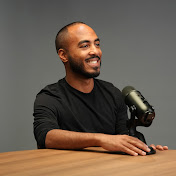
Roland Fryer has spent his career finding things out and refusing to sugarcoat them. His research on race, policing, and education has repeatedly landed somewhere progressive orthodoxy doesn’t want it to land, and he’s paid for it, professionally and, at one memorable point in his career, literally, when someone shot out the windows of his house over a program that paid kids to do well in school. Fryer has been on the show before, when he walked through the improbable path that took him from his childhood in Texas to a Harvard economics department.
Though I first asked Fryer for his take on the Jason Arday scandal, he told me the specifics of Arday’s alleged lies and tragic end weren’t the real story for him. Instead, the story is about the incentive structure that was underneath Arday—a system that hands out opportunities based on noisy, low-information signals, then never follows through with the honest feedback that would make those opportunities mean anything. Fryer learned this the hard way moving from Chicago to Harvard early in his career—the same ideas that got picked apart in one seminar got praised two weeks later at a different institution, and he didn’t trust that shift. He’d rather take the tough feedback than the polite silence, even when the polite silence would have been easier to sit through.
That idea—that avoiding hard truths doesn’t actually help anyone—runs deeply through his latest project. Fryer and Bill Ackman just launched the Carob Trust Prize for Academic Courage, a $1 million prize aimed at scholars who already suspect something true and unpopular but are too afraid of the fallout to publish it. Fryer’s pitch isn’t that everyone needs to become a provocateur. It’s narrower and, I think, more interesting than that: He wants to make honesty cheaper, so bravery stops being the price of admission.
We also got into his own research on race and intelligence, where the data cuts directly against the genetic determinism some of my other guests have argued for. And because I couldn’t resist, I asked him about his brief, oddly serious stint doing stand-up comedy under a stage name. Fryer thinks comedians are some of the best social scientists alive—people who’ve figured out how to slip an idea past someone’s defenses before that person even realizes they’ve been persuaded.
20 Comments

Roland is correct that programs like this work. This was true affirmative action, where only admission standards were lowered. These kids were held to the same standards as everyone else once in a school and were able to meet that standard.
Podcasts like this change the world, little by little.
But admin didn't want me holding kids to a high standard. They told me that their trauma and their racial and/or socioeconomic status meant that we needed to be soft on discipline and weak on academic rigor. I was litterally told teaching vocabulary terms was not equitable. This is despite decades of research saying that students who are behind, who have learning disabilities, or who are learning English, should be pre taught vocab and have frequent reenforcement.
But the district, and my state (Massachusetts) decided that equitable treatment means lowering the bar for poor kids and black and Latino kids. This is because the people who set policy are not working class and tend to infantilize kids who are not middle class.
I was nonrenewed (I thought i was safe because I had been there 3 years, but my first year was a half year and didn't count towards professional ststus). This is despite the fact that I knew how hard it was to claw your way up from nothing: knew how many times I failed because I was not disciplined enough. I wanted to give the kids the tools to succeed, not a free pass.
But to, frankly racist, middle class progressives, students don't need knowledge or skills or character building. They need a free pass and a patronizing pat on the head and we shove them out into a world that will not give them those freebies. We are harming them, but everyone pats themselves on the back and congratulates themselves about how progressive they are because they use "restorative justice" and "student led learning", even as those approaches create chaotic schools and undermine student success.
Thank you and a hug to both.
Roland Fryer on the Arday Scandal, Academic Cowardice, and What He’s Doing About It
Coleman Hughes
147,426 views
Roland Fryer has spent his career finding things out and refusing to sugarcoat them. His research on race, policing, and education has repeatedly landed somewhere progressive orthodoxy doesn’t want it to land, and he’s paid for it, professionally and, at one memorable point in his career, literally, when someone shot out the windows of his house over a program that paid kids to do well in school. Fryer has been on the show before, when he walked through the improbable path that took him from his childhood in Texas to a Harvard economics department.
Though I first asked Fryer for his take on the Jason Arday scandal, he told me the specifics of Arday’s alleged lies and tragic end weren’t the real story for him. Instead, the story is about the incentive structure that was underneath Arday—a system that hands out opportunities based on noisy, low-information signals, then never follows through with the honest feedback that would make those opportunities mean anything. Fryer learned this the hard way moving from Chicago to Harvard early in his career—the same ideas that got picked apart in one seminar got praised two weeks later at a different institution, and he didn’t trust that shift. He’d rather take the tough feedback than the polite silence, even when the polite silence would have been easier to sit through.
That idea—that avoiding hard truths doesn’t actually help anyone—runs deeply through his latest project. Fryer and Bill Ackman just launched the Carob Trust Prize for Academic Courage, a $1 million prize aimed at scholars who already suspect something true and unpopular but are too afraid of the fallout to publish it. Fryer’s pitch isn’t that everyone needs to become a provocateur. It’s narrower and, I think, more interesting than that: He wants to make honesty cheaper, so bravery stops being the price of admission.
We also got into his own research on race and intelligence, where the data cuts directly against the genetic determinism some of my other guests have argued for. And because I couldn’t resist, I asked him about his brief, oddly serious stint doing stand-up comedy under a stage name. Fryer thinks comedians are some of the best social scientists alive—people who’ve figured out how to slip an idea past someone’s defenses before that person even realizes they’ve been persuaded.