やばい患者さんの見分け方を精神科医が伝授します。25分動画
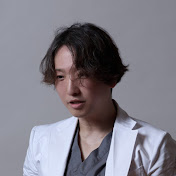
精神科医 芳賀高浩
30,888 views
Good evening. I'm Dr. Takahiro Haga, a psychiatrist. Today, I'd like to discuss a question I've received from you all that's quite pressing and useful not only in medicine but also in everyday life.
The question is: "Is it dangerous for psychiatrists to be working?" and "How can you distinguish between dangerous patients and non-dangerous patients?" Certainly, psychiatric outpatient clinics are more prone to situations requiring vigilance compared to other medical fields. That's why many psychiatric outpatient clinics have alert buttons on the desk, under the desk, or along the wall. If you sense danger, you press it. An alarm sounds, and staff gather. Many facilities have this kind of system built in from the start.
However, I don't want you to misunderstand this: it's not as simple as "schizophrenia makes them dangerous," "bipolar disorder makes them dangerous," or "depression makes them dangerous." The presence or absence of violence isn't determined solely by the diagnosis. Everyone has the impulse to get angry. Even I get annoyed when someone suddenly cuts me off while I'm driving. I think, "That was dangerous!" I feel like saying, "Don't mess with me!" That's normal for a human being.
The problem is whether or not you act on that anger the moment it arises. When you feel a sudden surge of emotion, even if your amygdala reacts, your prefrontal cortex often controls it, telling you to "stop" or "calm down." However, for some people, this control is less effective for various reasons. These include fatigue, lack of sleep, alcohol or drugs, severe stress, and the acute phase of mental illness. Especially during periods of poor health, emotional control and rational restraint are unstable. That's why psychiatric care emphasizes "safety precautions." This isn't about doubting the patient, but rather about the structure of the medical setting—being prepared from the start.
Furthermore, psychiatric patients are more likely to "come in angry from the start" than internal medicine patients. There are angry people in internal medicine too, but in most cases, their anger seems to be based on rational control. They're on a track where they want to complain or make a grievance. However, in the acute phase of psychiatric care, the "form" of their anger is difficult to read because their minds aren't functioning properly, their attention is scattered, or they're feeling victimized. Some people suddenly become furious the moment you try to delve a little deeper into the conversation. That's why psychiatrists think from the beginning not about "not making this person angry," but rather about "even if this person gets angry, don't let it turn into an accident."
So, what are the points that make us feel, "This person might be a little dangerous"? In a word, it's "their words and actions are unpredictable." People usually live their lives unconsciously predicting the actions of others. Take a knife, for example. A knife itself is a dangerous tool. But in a Chinese restaurant kitchen, when a chef is slicing char siu with a knife, no one is afraid. Why? Because the purpose and action are aligned, and you can predict what they'll do next. Conversely, if someone with a knife is making inexplicable movements, you suddenly become scared. This is the difference in "predictability."
Driving a car is the same. When you're driving, you're actually looking around and around at all sorts of things. That pedestrian over there might suddenly appear from behind that truck. That cyclist might suddenly change direction. That's how you drive, "predicting" what might happen. Even in driver's license renewal courses, they always tell you to "keep an eye on your surroundings and predict what others will do." In other words, humans are constantly using their "predictive sensors" in their daily lives.
It's the same in supermarkets. Many people look at products. But normally, they shift their gaze after a second or two. However, if someone stares intently at the same product for 20 seconds, you start to feel, "Hmm, that person's a little strange," or "Something's not right." Looking at products itself isn't the problem. But when there's a "deviation" from the usual pattern, people sense danger. Human sensors are surprisingly accurate. Moreover, these sensors are affected by the condition of your mind and body. When you're hungover or groggy from lack of sleep, even if you're looking around, you're not processing information. That's why, obviously, I don't see patients when I'm hungover. When I'm feeling sleepy in the afternoon and my concentration is low, I'm more conscious than usual of whether my "sensors" are dulled. The danger isn't the other person, but my own carelessness.
I use these sensors to their fullest extent even in the psychiatric outpatient clinic. From the moment they enter, I pay attention to their gait, stride, lateral sway, and the speed at which they open the door and sit down. If it deviates significantly from th...
20 Comments

芳賀先生は無駄に綺麗事や寄り添い系を創らず忖度なしの実臨床を淡々と視聴者に伝えて教えてくださるので好きです。
やばい患者さんの見分け方を精神科医が伝授します。25分動画
精神科医 芳賀高浩
30,888 views
Good evening. I'm Dr. Takahiro Haga, a psychiatrist. Today, I'd like to discuss a question I've received from you all that's quite pressing and useful not only in medicine but also in everyday life.
The question is: "Is it dangerous for psychiatrists to be working?" and "How can you distinguish between dangerous patients and non-dangerous patients?" Certainly, psychiatric outpatient clinics are more prone to situations requiring vigilance compared to other medical fields. That's why many psychiatric outpatient clinics have alert buttons on the desk, under the desk, or along the wall. If you sense danger, you press it. An alarm sounds, and staff gather. Many facilities have this kind of system built in from the start.
However, I don't want you to misunderstand this: it's not as simple as "schizophrenia makes them dangerous," "bipolar disorder makes them dangerous," or "depression makes them dangerous." The presence or absence of violence isn't determined solely by the diagnosis. Everyone has the impulse to get angry. Even I get annoyed when someone suddenly cuts me off while I'm driving. I think, "That was dangerous!" I feel like saying, "Don't mess with me!" That's normal for a human being.
The problem is whether or not you act on that anger the moment it arises. When you feel a sudden surge of emotion, even if your amygdala reacts, your prefrontal cortex often controls it, telling you to "stop" or "calm down." However, for some people, this control is less effective for various reasons. These include fatigue, lack of sleep, alcohol or drugs, severe stress, and the acute phase of mental illness. Especially during periods of poor health, emotional control and rational restraint are unstable. That's why psychiatric care emphasizes "safety precautions." This isn't about doubting the patient, but rather about the structure of the medical setting—being prepared from the start.
Furthermore, psychiatric patients are more likely to "come in angry from the start" than internal medicine patients. There are angry people in internal medicine too, but in most cases, their anger seems to be based on rational control. They're on a track where they want to complain or make a grievance. However, in the acute phase of psychiatric care, the "form" of their anger is difficult to read because their minds aren't functioning properly, their attention is scattered, or they're feeling victimized. Some people suddenly become furious the moment you try to delve a little deeper into the conversation. That's why psychiatrists think from the beginning not about "not making this person angry," but rather about "even if this person gets angry, don't let it turn into an accident."
So, what are the points that make us feel, "This person might be a little dangerous"? In a word, it's "their words and actions are unpredictable." People usually live their lives unconsciously predicting the actions of others. Take a knife, for example. A knife itself is a dangerous tool. But in a Chinese restaurant kitchen, when a chef is slicing char siu with a knife, no one is afraid. Why? Because the purpose and action are aligned, and you can predict what they'll do next. Conversely, if someone with a knife is making inexplicable movements, you suddenly become scared. This is the difference in "predictability."
Driving a car is the same. When you're driving, you're actually looking around and around at all sorts of things. That pedestrian over there might suddenly appear from behind that truck. That cyclist might suddenly change direction. That's how you drive, "predicting" what might happen. Even in driver's license renewal courses, they always tell you to "keep an eye on your surroundings and predict what others will do." In other words, humans are constantly using their "predictive sensors" in their daily lives.
It's the same in supermarkets. Many people look at products. But normally, they shift their gaze after a second or two. However, if someone stares intently at the same product for 20 seconds, you start to feel, "Hmm, that person's a little strange," or "Something's not right." Looking at products itself isn't the problem. But when there's a "deviation" from the usual pattern, people sense danger. Human sensors are surprisingly accurate. Moreover, these sensors are affected by the condition of your mind and body. When you're hungover or groggy from lack of sleep, even if you're looking around, you're not processing information. That's why, obviously, I don't see patients when I'm hungover. When I'm feeling sleepy in the afternoon and my concentration is low, I'm more conscious than usual of whether my "sensors" are dulled. The danger isn't the other person, but my own carelessness.
I use these sensors to their fullest extent even in the psychiatric outpatient clinic. From the moment they enter, I pay attention to their gait, stride, lateral sway, and the speed at which they open the door and sit down. If it deviates significantly from th...
また、芳賀先生が動画の最後におっしゃる「明日も必ず19時にお会いしましょう」の言葉にまるで診察を受けているかのような安心感があり、とても救われています。
ありがとうございます!