Stem Cell Nobel Prize to ER 100: Can We Really Reverse Aging?
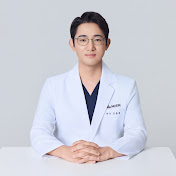
Dr. Eric Ko
31,647 views
Can we really reverse cellular aging?
The science behind ER-100 traces back to the Nobel Prize-winning discovery that mature cells can be reprogrammed. Now, in 2026, ER-100 has entered a Phase 1 human clinical trial — bringing partial epigenetic reprogramming from laboratory research into human testing.
In this video, I explain the science from the Stem Cell Nobel Prize and Yamanaka factors to ER-100, partial reprogramming, and cellular rejuvenation.
ER-100 is currently an investigational epigenetic therapy, and the ongoing first-in-human study is primarily evaluating safety and tolerability. Up to 18 participants are planned, and no human efficacy results have been posted yet.
So this is not evidence that scientists have already “cured aging.”
But it does represent an important scientific transition: an idea once studied mainly in cells and animals is now being tested in humans.
And as a hair-restoration doctor, I think this raises another fascinating question:
Could future medicine go beyond protecting, stimulating, or transplanting hair follicles — and eventually learn how to make an aging follicle behave younger again?
That is still a hypothesis, not a current treatment. But it may become an important direction for regenerative hair research.
Subscribe for evidence-based updates on hair loss, regenerative medicine, new treatments, and emerging biotechnology.
#stemcells #ER100 #reverseaging #YamanakaFactors #longevity #CellularReprogramming #regenerativemedicine #hairloss #hairlosstreatment
15 Comments

I wonder what is the link between ER 💯 and the Telomere. The youthful ones display vitality and have a long tail.
The older ones have a short tail or none at All.
Important to connect with other researchers to determine the root cause of aging and how to control the same to achieve a steady state and replace the aging cells with the more youthful and vital ones without overshooting.
Best of luck 🤞🤞🤞🤞.
Stem Cell Nobel Prize to ER 100: Can We Really Reverse Aging?
Dr. Eric Ko
31,647 views
Can we really reverse cellular aging?
The science behind ER-100 traces back to the Nobel Prize-winning discovery that mature cells can be reprogrammed. Now, in 2026, ER-100 has entered a Phase 1 human clinical trial — bringing partial epigenetic reprogramming from laboratory research into human testing.
In this video, I explain the science from the Stem Cell Nobel Prize and Yamanaka factors to ER-100, partial reprogramming, and cellular rejuvenation.
ER-100 is currently an investigational epigenetic therapy, and the ongoing first-in-human study is primarily evaluating safety and tolerability. Up to 18 participants are planned, and no human efficacy results have been posted yet.
So this is not evidence that scientists have already “cured aging.”
But it does represent an important scientific transition: an idea once studied mainly in cells and animals is now being tested in humans.
And as a hair-restoration doctor, I think this raises another fascinating question:
Could future medicine go beyond protecting, stimulating, or transplanting hair follicles — and eventually learn how to make an aging follicle behave younger again?
That is still a hypothesis, not a current treatment. But it may become an important direction for regenerative hair research.
Subscribe for evidence-based updates on hair loss, regenerative medicine, new treatments, and emerging biotechnology.
#stemcells #ER100 #reverseaging #YamanakaFactors #longevity #CellularReprogramming #regenerativemedicine #hairloss #hairlosstreatment
What interests me most is what could come next.
If partial reprogramming eventually proves safe and effective, which area would you want researchers to focus on first: vision, brain aging, skin, or hair follicles?
I’d especially like to hear your thoughts on hair-follicle rejuvenation and whether you think it could ever become part of future hair-loss treatment.