РАК КИШЕЧНИКА: как распознать, лечить и диагностировать?
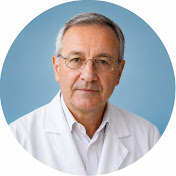
Доктор Лебедев
12,314 views
Colon cancer often develops unnoticed. In the early stages, a person may not experience severe pain and for years attribute alarming symptoms to hemorrhoids, stress, diet, age, or "stomach problems." But early diagnosis and screening help spot the problem early and increase the chances of successful treatment.
In this episode, EDPRO AI doctor Ivan Vladimirovich Lebedev explains in simple terms which symptoms of colon cancer shouldn't be ignored, when blood in the stool can be a warning sign, why it's important to discuss changes in stool pattern with a doctor, the dangers of iron deficiency anemia, and when a colonoscopy is truly necessary.
In this episode, we'll cover:
— the first symptoms of colon cancer;
— why blood in the stool shouldn't be automatically attributed to hemorrhoids;
— what a change in stool pattern and rhythm means;
— why low ferritin and iron deficiency anemia can be important signals;
— how intestinal polyps are associated with cancer risk;
— When is a fecal occult blood test necessary?
— Why is a colonoscopy performed and why is it important for prevention?
— Who should start screening earlier?
— How does heredity influence risk?
— What habits help reduce the risk of colon cancer?
Important: This video is for educational purposes only and does not replace a doctor's consultation. A diagnosis cannot be made from the video. If you have blood in your stool, a persistent change in stool habits, unexplained weakness, weight loss, prolonged abdominal pain, low hemoglobin, or low ferritin, consult a specialist.
Ivan Vladimirovich Lebedev is an EDPRO AI doctor, a digital medical presenter who shares the knowledge of the EDPRO Academy. This episode's materials are based on verified medical sources and are reviewed by company specialists before publication.
#coloncancer #coloncancersymptoms #health #gastrointestinal tract #colonoscopy #tests #hemorrhoids #anemia #screening #EDPRO #nutrition
17 Comments

РАК КИШЕЧНИКА: как распознать, лечить и диагностировать?
Доктор Лебедев
12,314 views
Colon cancer often develops unnoticed. In the early stages, a person may not experience severe pain and for years attribute alarming symptoms to hemorrhoids, stress, diet, age, or "stomach problems." But early diagnosis and screening help spot the problem early and increase the chances of successful treatment.
In this episode, EDPRO AI doctor Ivan Vladimirovich Lebedev explains in simple terms which symptoms of colon cancer shouldn't be ignored, when blood in the stool can be a warning sign, why it's important to discuss changes in stool pattern with a doctor, the dangers of iron deficiency anemia, and when a colonoscopy is truly necessary.
In this episode, we'll cover:
— the first symptoms of colon cancer;
— why blood in the stool shouldn't be automatically attributed to hemorrhoids;
— what a change in stool pattern and rhythm means;
— why low ferritin and iron deficiency anemia can be important signals;
— how intestinal polyps are associated with cancer risk;
— When is a fecal occult blood test necessary?
— Why is a colonoscopy performed and why is it important for prevention?
— Who should start screening earlier?
— How does heredity influence risk?
— What habits help reduce the risk of colon cancer?
Important: This video is for educational purposes only and does not replace a doctor's consultation. A diagnosis cannot be made from the video. If you have blood in your stool, a persistent change in stool habits, unexplained weakness, weight loss, prolonged abdominal pain, low hemoglobin, or low ferritin, consult a specialist.
Ivan Vladimirovich Lebedev is an EDPRO AI doctor, a digital medical presenter who shares the knowledge of the EDPRO Academy. This episode's materials are based on verified medical sources and are reviewed by company specialists before publication.
#coloncancer #coloncancersymptoms #health #gastrointestinal tract #colonoscopy #tests #hemorrhoids #anemia #screening #EDPRO #nutrition