Patient Communication in Clinical Trials: Where Patient-Centered Care Falls Short
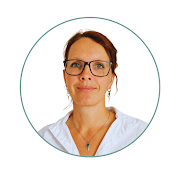
Kathrin Kunze
48 views
How can patient-centered communication support informed choices, patient-centered care, and patient engagement in clinical trials?
In this MedTalk, recorded on September 30, 2026, I speak with medical translator Laura Rolfi about the gap between approved clinical trial documents and information patients can understand and use.
Laura shares insights from her qualitative research with clinical research professionals across Argentina, Peru, the United States, Mexico, and Spain. Together with participants from translation, patient advocacy, and research, we explore what happens when patient communication prioritizes regulatory content while overlooking the people who need to read it.
Our discussion covers:
• Informed consent forms: helping patients understand what participation involves and make an informed choice.
• The relationship between communication, patient recruitment, clinical trials, and retention.
• Misunderstood instructions, repeated visits, rescheduled procedures, and the practical costs of unclear information.
• The “communication footprint”: how problems in source documents travel through reviews, translations, and local adaptations.
• Why translators struggle to improve approved templates and legacy translations.
• Patient engagement in clinical trials: involving patients and care partners early in document and protocol development.
• Cultural assumptions, language differences, and the limits of a one-size-fits-all approach.
• Anxiety, exhaustion, and information overload—and why layout, white space, bullet points, and appropriate visuals matter.
• Assent forms for children and teenagers: creating materials that meet their needs.
• Multidisciplinary collaboration and the discussion around ICH E6(R3).
• Moving from recommendations to practical proposals the industry can implement.
Clinical trial patient engagement starts before recruitment. It includes listening to patients, understanding their circumstances, and creating information that helps them ask questions and decide whether participation is right for them.
This conversation also highlights the contribution medical translators can make when their expertise is included early in the process.
Mark Gibson of Gibson Research Consultancy contributes to this work through the TangoMed playlist, which he creates to explore Laura Rolfi’s research findings and the wider challenges of patient communication in clinical trials. Bringing together information design and the patient voice, Mark helps examine the assumptions behind patient-facing materials and how they translate across cultural contexts. His involvement supports our shared aim: turning these conversations into practical improvements that help patients understand information and make informed choices.
📩 REQUEST LAURA’S REPORT OR CONNECT
To request Laura’s Clear Health Communication Risk Report, share feedback, or discuss collaboration:
lrolfi@sharplinels.com
🔗 RESOURCES DISCUSSED
Ombretta Metelli’s LinkedIn post on assent forms for children:
https://lnkd.in/p/e2UWKh6T
Tangomed playlist — “An Introduction”:
Tangomed: Eight Ways a Document Can Break
🌍 ABOUT MEDTALKS WITH KATHRIN
MedTalks brings patients, care partners, healthcare professionals, medical linguists, researchers, and industry stakeholders into conversation about making medical language accessible for ALL.
Hosted by Kathrin Kunze, nurse turned medical communicator, translator, and author.
Find out more:
https://www.kathrinkunze.com
💬 JOIN THE CONVERSATION
Where do you see the biggest barriers to clear patient communication? What would help patients, translators, advocates, and clinical research teams work together earlier?
Share your perspective in the comments, subscribe for future MedTalks, and share this discussion with someone who works with patient-facing clinical trial materials.
#PatientCommunication #PatientCenteredCare #ClinicalTrials #PatientEngagement #MedicalTranslation
Patient Communication in Clinical Trials: Where Patient-Centered Care Falls Short
Kathrin Kunze
48 views
How can patient-centered communication support informed choices, patient-centered care, and patient engagement in clinical trials?
In this MedTalk, recorded on September 30, 2026, I speak with medical translator Laura Rolfi about the gap between approved clinical trial documents and information patients can understand and use.
Laura shares insights from her qualitative research with clinical research professionals across Argentina, Peru, the United States, Mexico, and Spain. Together with participants from translation, patient advocacy, and research, we explore what happens when patient communication prioritizes regulatory content while overlooking the people who need to read it.
Our discussion covers:
• Informed consent forms: helping patients understand what participation involves and make an informed choice.
• The relationship between communication, patient recruitment, clinical trials, and retention.
• Misunderstood instructions, repeated visits, rescheduled procedures, and the practical costs of unclear information.
• The “communication footprint”: how problems in source documents travel through reviews, translations, and local adaptations.
• Why translators struggle to improve approved templates and legacy translations.
• Patient engagement in clinical trials: involving patients and care partners early in document and protocol development.
• Cultural assumptions, language differences, and the limits of a one-size-fits-all approach.
• Anxiety, exhaustion, and information overload—and why layout, white space, bullet points, and appropriate visuals matter.
• Assent forms for children and teenagers: creating materials that meet their needs.
• Multidisciplinary collaboration and the discussion around ICH E6(R3).
• Moving from recommendations to practical proposals the industry can implement.
Clinical trial patient engagement starts before recruitment. It includes listening to patients, understanding their circumstances, and creating information that helps them ask questions and decide whether participation is right for them.
This conversation also highlights the contribution medical translators can make when their expertise is included early in the process.
Mark Gibson of Gibson Research Consultancy contributes to this work through the TangoMed playlist, which he creates to explore Laura Rolfi’s research findings and the wider challenges of patient communication in clinical trials. Bringing together information design and the patient voice, Mark helps examine the assumptions behind patient-facing materials and how they translate across cultural contexts. His involvement supports our shared aim: turning these conversations into practical improvements that help patients understand information and make informed choices.
📩 REQUEST LAURA’S REPORT OR CONNECT
To request Laura’s Clear Health Communication Risk Report, share feedback, or discuss collaboration:
lrolfi@sharplinels.com
🔗 RESOURCES DISCUSSED
Ombretta Metelli’s LinkedIn post on assent forms for children:
https://lnkd.in/p/e2UWKh6T
Tangomed playlist — “An Introduction”:
Tangomed: Eight Ways a Document Can Break
🌍 ABOUT MEDTALKS WITH KATHRIN
MedTalks brings patients, care partners, healthcare professionals, medical linguists, researchers, and industry stakeholders into conversation about making medical language accessible for ALL.
Hosted by Kathrin Kunze, nurse turned medical communicator, translator, and author.
Find out more:
https://www.kathrinkunze.com
💬 JOIN THE CONVERSATION
Where do you see the biggest barriers to clear patient communication? What would help patients, translators, advocates, and clinical research teams work together earlier?
Share your perspective in the comments, subscribe for future MedTalks, and share this discussion with someone who works with patient-facing clinical trial materials.
#PatientCommunication #PatientCenteredCare #ClinicalTrials #PatientEngagement #MedicalTranslation