RICARDO IORIO: El hombre detrás del mito | Profética entrevista con Nicolás Morás
Nicolás Morás
24,219 views
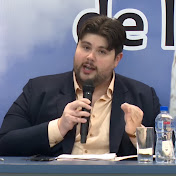
(January 2020) In this heartwarming interview, Nicolás Morás sits down with his friend—the immensely talented Argentine musician Ricardo Iorio—in a setting as unexpected as it is revealing: a workshop, amidst tools, stones, “alchemy,” and Iorio’s ever-present sharp wit.
Far from the television persona that never defined him, Iorio appears as he was in real life: direct, lucid, affectionate in his own way, and profoundly human. Between jokes, silences, blunt statements, and mystical flashes, he speaks of resilience, tenacity, and what it means to “be yourself” when you’ve had to endure boycotts, censorship, and persecution, and still continue creating.
The conversation becomes a complete portrait of the thoughtful Iorio: his defense of personal autonomy, his idea of educating oneself to “govern oneself,” his critique of moral hypocrisy, of the State that stifles the worker, and of those who make a living by regulating and punishing those who earn their living. There are delirious digressions, philosophical commentaries, cultural references, and that unique blend of street smarts, metaphysics, and raw poetry that made him an irreplaceable character.
Amidst the chaos of the world, this conversation preserves something rare and precious: true friendship, complicity, and a simple truth that Iorio repeats without embellishment: never stand still.
An emotional document for those who hold him dear, and also for those who want to get to know the Ricardo who doesn't make the headlines: the man behind the myth.
20 Comments

RICARDO IORIO: El hombre detrás del mito | Profética entrevista con Nicolás Morás
Nicolás Morás
24,219 views
(January 2020) In this heartwarming interview, Nicolás Morás sits down with his friend—the immensely talented Argentine musician Ricardo Iorio—in a setting as unexpected as it is revealing: a workshop, amidst tools, stones, “alchemy,” and Iorio’s ever-present sharp wit.
Far from the television persona that never defined him, Iorio appears as he was in real life: direct, lucid, affectionate in his own way, and profoundly human. Between jokes, silences, blunt statements, and mystical flashes, he speaks of resilience, tenacity, and what it means to “be yourself” when you’ve had to endure boycotts, censorship, and persecution, and still continue creating.
The conversation becomes a complete portrait of the thoughtful Iorio: his defense of personal autonomy, his idea of educating oneself to “govern oneself,” his critique of moral hypocrisy, of the State that stifles the worker, and of those who make a living by regulating and punishing those who earn their living. There are delirious digressions, philosophical commentaries, cultural references, and that unique blend of street smarts, metaphysics, and raw poetry that made him an irreplaceable character.
Amidst the chaos of the world, this conversation preserves something rare and precious: true friendship, complicity, and a simple truth that Iorio repeats without embellishment: never stand still.
An emotional document for those who hold him dear, and also for those who want to get to know the Ricardo who doesn't make the headlines: the man behind the myth.