How to Make an Amber Accord | In the Lab – Episode 6
Crazy Nose Fragrance Education
4,601 views
Amber is one of the fundamental building blocks of perfumery but unlike rose, jasmine or oud, there’s no “amber tree” we can extract it from.
Traditional perfumery amber is a fantasy accord: a perfumer’s interpretation of the warmth, richness and golden character associated with amber stone.
In Episode 6 of In the Lab with Crazy Nose, we build a classic amber accord from just three materials:
• Labdanum
• Vanillin
• Benzoin
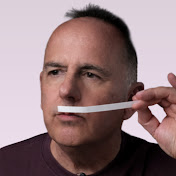
We start by smelling each material individually, combine them on scent strips, work out a basic proportion, and then mix the accord in a beaker.
Once we have a convincing traditional amber accord, the experimenting begins. I add patchouli, Ambroxan and Iso E Super to see how each one changes the character of the blend.
The important lesson isn’t simply learning one formula. It’s learning how accords work as building blocks, and how small changes can push them in completely different directions.
If you're following along with your own materials, make the basic amber accord first and save the formula. Then experiment. Try adding other materials from your kit and let me know in the comments if you discover a combination that works particularly well.
This series is about learning perfumery by actually smelling, blending and experimenting with the materials.
00:14 What is an amber accord?
01:18 The three essential materials on paper
13:16 Mixing the amber accord in a beaker
17:20 Smelling the finished accord
18:58 Taking the accord further with patchouli, Ambroxan and Iso E Super
28:05 Which variation worked best?
#Perfumery #DIYPerfumery #AmberAccord #PerfumeMaking #FragranceEducation #PerfumeMaterials #InTheLabWithCrazyNose
20 Comments

And i found out i love leafe-wood formulas, but what they always need is some aquatic/or ozonic touch. In my imaginary map , aquatic ozonic is like Gas. and gas is like very light, its like it needs this light layer on top, like a high frequency (in music).
And after that it may work and feel complete. Without any of that it has no presence.
(i also divide Perfumes pretty strongly in Leave-woods perfumes - and ones with flowers. The ones with lots of Flowers dont need this high layer i just mentioned, because Flowers itselve are kindof a high layer).
The leave-woody Perfumes often need a small touch of Flowers when i do them allnatural, to smoothen the often harsh notes i get of leafe materials, but only a smaller amount so that the perfume still feels herbal-forward .
I have a question about the labdanum used in the blend: is it natural or synthetic?
I noticed that you didn’t like the scent after adding Iso E Super. Did you wish you hadn’t added it and had stopped at the Ambroxan stage?🌹
How to Make an Amber Accord | In the Lab – Episode 6
Crazy Nose Fragrance Education
4,601 views
Amber is one of the fundamental building blocks of perfumery but unlike rose, jasmine or oud, there’s no “amber tree” we can extract it from.
Traditional perfumery amber is a fantasy accord: a perfumer’s interpretation of the warmth, richness and golden character associated with amber stone.
In Episode 6 of In the Lab with Crazy Nose, we build a classic amber accord from just three materials:
• Labdanum
• Vanillin
• Benzoin
We start by smelling each material individually, combine them on scent strips, work out a basic proportion, and then mix the accord in a beaker.
Once we have a convincing traditional amber accord, the experimenting begins. I add patchouli, Ambroxan and Iso E Super to see how each one changes the character of the blend.
The important lesson isn’t simply learning one formula. It’s learning how accords work as building blocks, and how small changes can push them in completely different directions.
If you're following along with your own materials, make the basic amber accord first and save the formula. Then experiment. Try adding other materials from your kit and let me know in the comments if you discover a combination that works particularly well.
This series is about learning perfumery by actually smelling, blending and experimenting with the materials.
00:14 What is an amber accord?
01:18 The three essential materials on paper
13:16 Mixing the amber accord in a beaker
17:20 Smelling the finished accord
18:58 Taking the accord further with patchouli, Ambroxan and Iso E Super
28:05 Which variation worked best?
#Perfumery #DIYPerfumery #AmberAccord #PerfumeMaking #FragranceEducation #PerfumeMaterials #InTheLabWithCrazyNose