Panamá necesita definir hacia dónde quiere ir
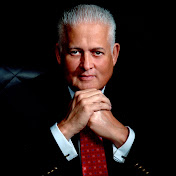
Toro Pérez Balladares
12,206 views
The future of the Canal, the mine, the Panama-David train, the electrical system, constitutional reform, and the need to build a national project. In a wide-ranging interview, Dr. Ernesto Pérez Balladares defends decision-making with clear objectives and warns about the costs of postponing fundamental decisions.
Panama faces decisions that could shape its course for decades to come. Some involve multimillion-dollar investments; others, the country's institutional structure. For former President Ernesto Pérez Balladares, the common denominator should be the State's capacity to define objectives, assess risks, and make decisions.
The extensive conversation on the program "En Contexto" began, however, with a personal note. Following the death of Dr. Mitchell Doens, who served in his administration and shared a long political and personal relationship with the former president, Pérez Balladares chose to speak about his legacy: "Rather than offering condolences, I celebrate his life," he said. He remembered him as a man of effort, sacrifice, and dedication, and highlighted his commitment to Panama.
Housing, Exemptions, and Taxes
Dr. Pérez Balladares defended the need for open discussion about the cost of tax exemptions. If the government eliminates revenue to facilitate access to lower-cost housing, he pointed out, it must find a replacement source of income. He questioned the position of supporting the benefit while simultaneously rejecting any compensatory mechanism.
The Train to David
Regarding the train to the western part of the country, he made an initial clarification: for now, it is an idea under study, not a project. Although he acknowledged the appeal of connecting Panama City with David in just a few hours, he expressed serious doubts about its viability due to the high construction costs, potential demand, and the subsidies it might require.
The Future of the Electricity Market
Looking ahead to the upcoming tenders, he considered that the current distribution companies could participate, but under different and more demanding rules. For Pérez Balladares, the problem also requires a strong regulator, capable of overseeing compliance, penalizing violations, and effectively protecting consumers.
Canal Diversification
He supported the Panama Canal expanding its activities into businesses such as ports and gas pipelines. He believes the interoceanic waterway should take advantage of new logistical opportunities and recover business that Panama has lost to other markets, always striving to maximize benefits and control risks.
What to do with the mine?
Regarding the future of mining activity, he stated that any new scheme must guarantee greater state control and participation, accompanied by clear rules and strict oversight mechanisms. He also said he had the impression—clarifying that this was a personal assessment—that the Executive Branch might be close to defining a position.
What is the great national project?
When asked what the great project of this generation should be, he acknowledged not having a definitive answer, although he expressed a specific wish: “I hope it is education.” He also called on political parties to regain the ability to present a vision for the country with which young people, in particular, can identify.
His reservations about a Constituent Assembly
Pérez Balladares expressed a “deep fear” regarding a constituent assembly. Instead of opening a process that could subject even matters functioning properly to discussion, he favored specific constitutional reforms in areas such as the electoral system and the selection of judges.
Governing with a purpose
Reflecting on his five years as President, he asserted that he never thought the effort would be worthless. He acknowledged that his administration could have better explained some of its reforms, but defended the necessity of the transformations undertaken and summarized his governing philosophy in one idea: first, one must know where one wants to take the country and then choose the best path to get there.
Power: knowing how to wield it and knowing how to relinquish it
For Pérez Balladares, having been president represented both an honor and an enormous responsibility. For him, it meant remaining steadfast in the promised objectives, striving to leave a legacy, and, when the time came, knowing when to hand over power: "It is up to the people to choose who governs and to bear the consequences of that decision," he said.
These were just some of the topics addressed during a conversation that touched on crucial decisions for Panama's present and future. See the full interview with Ernesto Pérez Balladares on En Contexto.
20 Comments

Ese señor no sabe de pena, de vergüenza
Yo quiero saber a quien ese man engaña
Ya la gente despertó
A los que acabaron y mucho daño le han hecho al país .
Cree usted que e el pueblo panameño puede seguir confiando de todo el robo tan grande pero tan grande al pueblo y traspasado ese eje imaginario que sellama respeto y honradez,,,no se detienen ni se arrepienten y contiuan pecando...pueda que estemos en los ultimos tiempo y solo tan solo Dios quiere qye el hombre se arrepienta y se acerque a EL y pida perdon,,,pero lo nas facil para el honbre es eso,,,sabe que ha pecado y no pide perdon a DIOS.. solo les digo algo,,,la misericordia y el amor de DIOS es tan grande donde EL sigue ganando porque ? porque ya EL sabe el resultado de todas las cosas...
Panamá necesita definir hacia dónde quiere ir
Toro Pérez Balladares
12,206 views
The future of the Canal, the mine, the Panama-David train, the electrical system, constitutional reform, and the need to build a national project. In a wide-ranging interview, Dr. Ernesto Pérez Balladares defends decision-making with clear objectives and warns about the costs of postponing fundamental decisions.
Panama faces decisions that could shape its course for decades to come. Some involve multimillion-dollar investments; others, the country's institutional structure. For former President Ernesto Pérez Balladares, the common denominator should be the State's capacity to define objectives, assess risks, and make decisions.
The extensive conversation on the program "En Contexto" began, however, with a personal note. Following the death of Dr. Mitchell Doens, who served in his administration and shared a long political and personal relationship with the former president, Pérez Balladares chose to speak about his legacy: "Rather than offering condolences, I celebrate his life," he said. He remembered him as a man of effort, sacrifice, and dedication, and highlighted his commitment to Panama.
Housing, Exemptions, and Taxes
Dr. Pérez Balladares defended the need for open discussion about the cost of tax exemptions. If the government eliminates revenue to facilitate access to lower-cost housing, he pointed out, it must find a replacement source of income. He questioned the position of supporting the benefit while simultaneously rejecting any compensatory mechanism.
The Train to David
Regarding the train to the western part of the country, he made an initial clarification: for now, it is an idea under study, not a project. Although he acknowledged the appeal of connecting Panama City with David in just a few hours, he expressed serious doubts about its viability due to the high construction costs, potential demand, and the subsidies it might require.
The Future of the Electricity Market
Looking ahead to the upcoming tenders, he considered that the current distribution companies could participate, but under different and more demanding rules. For Pérez Balladares, the problem also requires a strong regulator, capable of overseeing compliance, penalizing violations, and effectively protecting consumers.
Canal Diversification
He supported the Panama Canal expanding its activities into businesses such as ports and gas pipelines. He believes the interoceanic waterway should take advantage of new logistical opportunities and recover business that Panama has lost to other markets, always striving to maximize benefits and control risks.
What to do with the mine?
Regarding the future of mining activity, he stated that any new scheme must guarantee greater state control and participation, accompanied by clear rules and strict oversight mechanisms. He also said he had the impression—clarifying that this was a personal assessment—that the Executive Branch might be close to defining a position.
What is the great national project?
When asked what the great project of this generation should be, he acknowledged not having a definitive answer, although he expressed a specific wish: “I hope it is education.” He also called on political parties to regain the ability to present a vision for the country with which young people, in particular, can identify.
His reservations about a Constituent Assembly
Pérez Balladares expressed a “deep fear” regarding a constituent assembly. Instead of opening a process that could subject even matters functioning properly to discussion, he favored specific constitutional reforms in areas such as the electoral system and the selection of judges.
Governing with a purpose
Reflecting on his five years as President, he asserted that he never thought the effort would be worthless. He acknowledged that his administration could have better explained some of its reforms, but defended the necessity of the transformations undertaken and summarized his governing philosophy in one idea: first, one must know where one wants to take the country and then choose the best path to get there.
Power: knowing how to wield it and knowing how to relinquish it
For Pérez Balladares, having been president represented both an honor and an enormous responsibility. For him, it meant remaining steadfast in the promised objectives, striving to leave a legacy, and, when the time came, knowing when to hand over power: "It is up to the people to choose who governs and to bear the consequences of that decision," he said.
These were just some of the topics addressed during a conversation that touched on crucial decisions for Panama's present and future. See the full interview with Ernesto Pérez Balladares on En Contexto.