5 Woods That Set Chimneys on Fire. Number 2 Is Stacked Against Half the Houses in America.
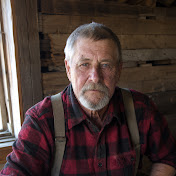
Harlan Sawyer
41,683 views
About twenty-five thousand chimney fires a year in this country, and almost every one started as a
stack of wood somebody was proud of.
I'm Harlan Sawyer. Forty-two years in the timber, 1969 to 2011, and forty-five winters heating this
house with what I cut. In the winter of 1963 a family on the far side of Cheat Mountain lost a
farmhouse to a flue fire at four in the morning. My grandfather Enoch walked that burn in the
spring, and what was left in the ash pile told the whole story.
The five, worst to first:
cottonwood and the soft storm wood (16 million BTU a cord against oak's 24, a morning fire and
never a night load) - pine with the pitch still in it, and how to spot amber streaks and sticky
knots - green oak, which looks seasoned four months before it is, so meter the fresh face and not
the end - the dead elm standing in your own yard, free for the cutting, unsplit and wet and punky
all at once, and why a fungus that arrived around 1930 left so many of them - and number one, which
is the best oak you own, burned with the air shut to nothing at ten o'clock.
Same wood, same rank, one night apart. The only thing that changed was the handle.
Tell me your state, what you burn, and whether you have a dead elm on your place right now. And if
you've pulled your pipe apart this fall, tell me what colour the rag came out.
Stack it dry, friend. It keeps.
Sources mentioned: Chimney Safety Institute of America (creosote condenses below roughly 250F in
the flue; glazed stage-three creosote is a sweep's job, not a brush job), EPA Burn Wise (under 20%
moisture, measured on a freshly split face), USDA Forest Service heat-value tables. I'm not a
chimney sweep. If your pipe hasn't been brushed since spring, do that before anything on this list.
#firewood #woodstove #chimneyfire #creosote #woodheat #oldways
18 Comments

Burn any dry wood at the right temperature, (~400-450 deg.f.) and you'll never have to clean your chimney. My wood stove has 35 years of burning oak, ash, black locust, maple, elm and yes, pine. My chimney has red from the firebrick still showing. Near zero creosote condensation. Have dead elms, will burn. Elm does leave the most ash in the firebox tho.
5 Woods That Set Chimneys on Fire. Number 2 Is Stacked Against Half the Houses in America.
Harlan Sawyer
41,683 views
About twenty-five thousand chimney fires a year in this country, and almost every one started as a
stack of wood somebody was proud of.
I'm Harlan Sawyer. Forty-two years in the timber, 1969 to 2011, and forty-five winters heating this
house with what I cut. In the winter of 1963 a family on the far side of Cheat Mountain lost a
farmhouse to a flue fire at four in the morning. My grandfather Enoch walked that burn in the
spring, and what was left in the ash pile told the whole story.
The five, worst to first:
cottonwood and the soft storm wood (16 million BTU a cord against oak's 24, a morning fire and
never a night load) - pine with the pitch still in it, and how to spot amber streaks and sticky
knots - green oak, which looks seasoned four months before it is, so meter the fresh face and not
the end - the dead elm standing in your own yard, free for the cutting, unsplit and wet and punky
all at once, and why a fungus that arrived around 1930 left so many of them - and number one, which
is the best oak you own, burned with the air shut to nothing at ten o'clock.
Same wood, same rank, one night apart. The only thing that changed was the handle.
Tell me your state, what you burn, and whether you have a dead elm on your place right now. And if
you've pulled your pipe apart this fall, tell me what colour the rag came out.
Stack it dry, friend. It keeps.
Sources mentioned: Chimney Safety Institute of America (creosote condenses below roughly 250F in
the flue; glazed stage-three creosote is a sweep's job, not a brush job), EPA Burn Wise (under 20%
moisture, measured on a freshly split face), USDA Forest Service heat-value tables. I'm not a
chimney sweep. If your pipe hasn't been brushed since spring, do that before anything on this list.
#firewood #woodstove #chimneyfire #creosote #woodheat #oldways