Dlaczego człowiek jest tak dziwnym zwierzęciem? | dr Marcin Ryszkiewicz
To Bardziej Skomplikowane
107,361 views
What made us human? Where did our large brain, ability to cooperate, and language come from? And to what extent can we reconstruct the processes that shaped our species today?
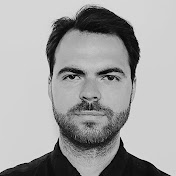
In today's episode, I had the pleasure of discussing these topics with Dr. Marcin Ryszkiewicz, a geologist, evolutionist, and science communicator.
In this conversation, we cover the following topics:
When can we actually begin to talk about humans, and why is it difficult to pinpoint a single, clear boundary?
What hypotheses explain the emergence of bipedalism and upright posture?
What could have enabled the development of such an energetically expensive organ as the human brain?
What role might dietary changes, the use of fire, and tools have played in our evolution?
How does evolution utilize existing structures for new functions?
How might long childhoods and dependence on caregivers have influenced the development of cooperation?
Why did we begin cooperating with people outside our immediate family?
When might language have emerged, and what can art and animal communication reveal about its origins? * What can language development in children tell us about our innate abilities?
What traces of encounters with Neanderthals and other ancient humans have been preserved in our genes?
How can we distinguish a well-reasoned reconstruction of evolution from a convincing story tailored to known facts?
Dr. Marcin Ryszkiewicz studied geology at the University of Warsaw and the Pierre and Marie Curie University in Paris. He is the author of books on evolution and natural history, including "Homo sapiens: Meanders of Evolution" and "4 billion years: Essays on Evolution." His writings have appeared in magazines such as "Świat Nauki," "Wiedza i Życie," and "Polityka."
Wikipedia: https://pl.wikipedia.org/wiki/Marcin_...
Chapters:
00:00:00 Introduction
00:01:03 When does humanity begin?
00:05:00 Why does human evolution resemble a web?
00:05:00 Why does human evolution resemble a web? 00:07:00 Where Did Bipedalism Come From?
00:14:15 Life in Trees and Upright Posture
00:18:37 The "Aquatic Monkey" Hypothesis
00:26:03 Why Did Our Brain Get Larger?
00:30:57 Fire, Diet, and Brain Development
00:34:00 How Does Evolution Give Structures New Functions?
00:38:15 Large Brain, Childbirth, and Long Childhood
00:41:37 Child Care and the Development of Cooperation
00:46:08 From Family to Tribe: "Us" and "Them"
00:48:28 When Did Language Appear?
00:57:41 Children, Grammar, and Innate Linguistic Abilities
01:03:58 Human Language and Animal Communication
01:11:48 Evolutionary Reconstruction or a Compelling Story? 01:14:27 Tools, Ancient DNA, and Encounters with Neanderthals
01:22:59 Did Neanderthals Survive in Our Genes?
My name is Michał Szyc, and this is the "To Więcej Skomplikowane" podcast.
If you think analytical and substantive conversations are needed online, subscribe and give it a thumbs up to help this content break through the algorithms.
If you'd like to join the podcast's Discord community and discuss the episodes and topics covered, you can do so through Patronite, supporting the project's continued development.
Support the project and access the community: https://patronite.pl/tobardziejskompl...
Thanks to the patrons who support the project:
Sebastian Jaskulski
20 Comments

Dlaczego człowiek jest tak dziwnym zwierzęciem? | dr Marcin Ryszkiewicz
To Bardziej Skomplikowane
107,361 views
What made us human? Where did our large brain, ability to cooperate, and language come from? And to what extent can we reconstruct the processes that shaped our species today?
In today's episode, I had the pleasure of discussing these topics with Dr. Marcin Ryszkiewicz, a geologist, evolutionist, and science communicator.
In this conversation, we cover the following topics:
When can we actually begin to talk about humans, and why is it difficult to pinpoint a single, clear boundary?
What hypotheses explain the emergence of bipedalism and upright posture?
What could have enabled the development of such an energetically expensive organ as the human brain?
What role might dietary changes, the use of fire, and tools have played in our evolution?
How does evolution utilize existing structures for new functions?
How might long childhoods and dependence on caregivers have influenced the development of cooperation?
Why did we begin cooperating with people outside our immediate family?
When might language have emerged, and what can art and animal communication reveal about its origins? * What can language development in children tell us about our innate abilities?
What traces of encounters with Neanderthals and other ancient humans have been preserved in our genes?
How can we distinguish a well-reasoned reconstruction of evolution from a convincing story tailored to known facts?
Dr. Marcin Ryszkiewicz studied geology at the University of Warsaw and the Pierre and Marie Curie University in Paris. He is the author of books on evolution and natural history, including "Homo sapiens: Meanders of Evolution" and "4 billion years: Essays on Evolution." His writings have appeared in magazines such as "Świat Nauki," "Wiedza i Życie," and "Polityka."
Wikipedia: https://pl.wikipedia.org/wiki/Marcin_...
Chapters:
00:00:00 Introduction
00:01:03 When does humanity begin?
00:05:00 Why does human evolution resemble a web?
00:05:00 Why does human evolution resemble a web? 00:07:00 Where Did Bipedalism Come From?
00:14:15 Life in Trees and Upright Posture
00:18:37 The "Aquatic Monkey" Hypothesis
00:26:03 Why Did Our Brain Get Larger?
00:30:57 Fire, Diet, and Brain Development
00:34:00 How Does Evolution Give Structures New Functions?
00:38:15 Large Brain, Childbirth, and Long Childhood
00:41:37 Child Care and the Development of Cooperation
00:46:08 From Family to Tribe: "Us" and "Them"
00:48:28 When Did Language Appear?
00:57:41 Children, Grammar, and Innate Linguistic Abilities
01:03:58 Human Language and Animal Communication
01:11:48 Evolutionary Reconstruction or a Compelling Story? 01:14:27 Tools, Ancient DNA, and Encounters with Neanderthals
01:22:59 Did Neanderthals Survive in Our Genes?
My name is Michał Szyc, and this is the "To Więcej Skomplikowane" podcast.
If you think analytical and substantive conversations are needed online, subscribe and give it a thumbs up to help this content break through the algorithms.
If you'd like to join the podcast's Discord community and discuss the episodes and topics covered, you can do so through Patronite, supporting the project's continued development.
Support the project and access the community: https://patronite.pl/tobardziejskompl...
Thanks to the patrons who support the project:
Sebastian Jaskulski
👉https://open.spotify.com/episode/1qckKookKGFWT1xY5R6X5n?si=265c570337384943
Jeśli chcecie wesprzeć dalszy rozwój podcastu i dołączyć społeczności na Discordzie:
👉https://patronite.pl/tobardziejskomplikowane