Dependency Is Not Addiction: The 4 Pillars of Cannabis Care
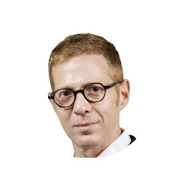
Gil Luxenbourg Cannabis Wizdom
14 views
Patients ask me whether they are becoming addicted. Almost always they are describing physical dependency, which is a different thing with a different answer. Getting that distinction right changes the entire conversation, and it is the first of four pillars.
Watch the first module of the full 5.5 hour course free, no credit card:
https://www.wizdomcircles.com
The four pillars are shared language, personalization, the circle of influence, and counting the gifts.
Shared language means retiring "I'm high" and the indica versus sativa story in favour of words that describe what actually changed. "I have no nausea, I can eat, and the cramps have stopped" is something a doctor can work with. "I'm high" is not.
Personalization means accepting that two women with the same breast cancer diagnosis, or two patients with Crohn's, can need completely opposite protocols, and that the protocol keeps moving as their life does.
The circle of influence is family, doctors, pharmacists and nurses. Nobody heals in a vacuum, and boundaries and journaling are what protect everyone in that circle.
Counting the gifts is what carries a patient through slow titration without giving up, by tracking what has come back instead of cataloguing what the illness took.
This is education, not medical advice.
CHAPTERS
00:00 Pillar 1: shared language, and dependency versus addiction
06:50 Pillar 2: personalization, same diagnosis, different treatment
12:11 Personalization is iterative: the protocol as a moving target
20:39 Pillar 3: the circle of influence
26:38 Pillar 4: counting the gifts
ABOUT
Gil Luxenbourg, Israel's Patient #7 and a medical cannabis patient since 2004. Ministry of Health licensed Medical Cannabis Instructor, founder of the Israel Medical Cannabis Association, US patent holder, founder of WIZDOM. Not a doctor. The patient who built what the doctors were not building: a clear protocol, a real plan, and a guide who has actually been there.
LINKS
Free first module: https://www.wizdomcircles.com
1 Comments

Dependency Is Not Addiction: The 4 Pillars of Cannabis Care
Gil Luxenbourg Cannabis Wizdom
14 views
Patients ask me whether they are becoming addicted. Almost always they are describing physical dependency, which is a different thing with a different answer. Getting that distinction right changes the entire conversation, and it is the first of four pillars.
Watch the first module of the full 5.5 hour course free, no credit card:
https://www.wizdomcircles.com
The four pillars are shared language, personalization, the circle of influence, and counting the gifts.
Shared language means retiring "I'm high" and the indica versus sativa story in favour of words that describe what actually changed. "I have no nausea, I can eat, and the cramps have stopped" is something a doctor can work with. "I'm high" is not.
Personalization means accepting that two women with the same breast cancer diagnosis, or two patients with Crohn's, can need completely opposite protocols, and that the protocol keeps moving as their life does.
The circle of influence is family, doctors, pharmacists and nurses. Nobody heals in a vacuum, and boundaries and journaling are what protect everyone in that circle.
Counting the gifts is what carries a patient through slow titration without giving up, by tracking what has come back instead of cataloguing what the illness took.
This is education, not medical advice.
CHAPTERS
00:00 Pillar 1: shared language, and dependency versus addiction
06:50 Pillar 2: personalization, same diagnosis, different treatment
12:11 Personalization is iterative: the protocol as a moving target
20:39 Pillar 3: the circle of influence
26:38 Pillar 4: counting the gifts
ABOUT
Gil Luxenbourg, Israel's Patient #7 and a medical cannabis patient since 2004. Ministry of Health licensed Medical Cannabis Instructor, founder of the Israel Medical Cannabis Association, US patent holder, founder of WIZDOM. Not a doctor. The patient who built what the doctors were not building: a clear protocol, a real plan, and a guide who has actually been there.
LINKS
Free first module: https://www.wizdomcircles.com