Why the Hardest Roads Sometimes Lead Somewhere Worth Reaching — Carl Jung
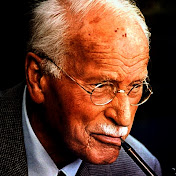
CARL JUNG DAILY
54,266 views
Not every difficult path leads somewhere meaningful — some hardship really is just hardship. But Carl Jung's model of the psyche offers a way to understand why certain hard periods, the ones that force genuine confrontation with the shadow and the unconscious, do end up producing real, lasting value that easier paths often don't.
This video looks at what distinguishes the difficult experiences that lead somewhere worthwhile from those that don't, according to Jung's framework — specifically, whether the difficulty actually gets integrated, or simply endured and left behind. It's an honest look at when hardship genuinely pays off psychologically, without claiming it always does.
What we explore:
What distinguishes psychologically productive hardship from difficulty that simply passes, according to Jung's model. The role of integration in determining whether a hard experience leads somewhere meaningful. Why not every difficult path leads to growth, and what makes the difference.
References & further reading:
Carl Jung — Modern Man in Search of a Soul (1933); Psychology and Alchemy; Two Essays on Analytical Psychology.
A note on accuracy: This video presents Jung's ideas in accessible language for a general audience. Not every difficult experience leads to growth — this reflects a specific pattern in Jung's framework, not a universal law. For the full depth of his work, the original texts above go much further than any single video can.
#CarlJung #Psychology #PersonalGrowth #Individuation #SelfDevelopment
20 Comments

I followed my intuition and challenged powerful healthcare institutions — including the NHS, the GMC, and the Secretary of State — because I believed modern healthcare was concealing uncomfortable truths, causing avoidable suffering, and victimising doctors who tried to defend medical ethics.
Honesty and integrity were not recognised, because truth is often expensive for those in power, and institutions protect themselves before they protect people.
The consequences destroyed much of my life. I lost almost everything — security, stability, recognition, and belonging. But I did not give up, because I know that systems built on fear, power, and control create deep disparities and cause both mental and physical suffering.
Today, humanity faces an even greater threat, and I feel I must continue speaking the truth for as long as I have strength.
This video reminded me that the hardest roads may still lead to the most meaningful destinations. Thank you for giving me courage to keep going.
Why the Hardest Roads Sometimes Lead Somewhere Worth Reaching — Carl Jung
CARL JUNG DAILY
54,266 views
Not every difficult path leads somewhere meaningful — some hardship really is just hardship. But Carl Jung's model of the psyche offers a way to understand why certain hard periods, the ones that force genuine confrontation with the shadow and the unconscious, do end up producing real, lasting value that easier paths often don't.
This video looks at what distinguishes the difficult experiences that lead somewhere worthwhile from those that don't, according to Jung's framework — specifically, whether the difficulty actually gets integrated, or simply endured and left behind. It's an honest look at when hardship genuinely pays off psychologically, without claiming it always does.
What we explore:
What distinguishes psychologically productive hardship from difficulty that simply passes, according to Jung's model. The role of integration in determining whether a hard experience leads somewhere meaningful. Why not every difficult path leads to growth, and what makes the difference.
References & further reading:
Carl Jung — Modern Man in Search of a Soul (1933); Psychology and Alchemy; Two Essays on Analytical Psychology.
A note on accuracy: This video presents Jung's ideas in accessible language for a general audience. Not every difficult experience leads to growth — this reflects a specific pattern in Jung's framework, not a universal law. For the full depth of his work, the original texts above go much further than any single video can.
#CarlJung #Psychology #PersonalGrowth #Individuation #SelfDevelopment