A Day in the Life of John Snow, Soho 1854 | History for Sleep
TheSleeplessDoctor
86 views
A Day in the Life of the Doctors of History is a series about the physicians who changed medicine, for good or for worse. Tonight you live one week in the life of John Snow, physician and anaesthetist, of 18 Sackville Street, Piccadilly, in the first days of September 1854.
You already know how this story ends. He takes the handle off the pump and the dying stops.
That is not what happened, and Snow said so himself, in print, against his own interest.
✨ IN THIS EPISODE
• No rain fell in London from 25 August to 11 September. The sky was near cloudless. In one week the air moved 195 miles — the stillest week of the year.
• 616 people died. More than five hundred of them inside 250 yards of one street corner, in ten days. Three streets in four stood empty within a week.
• Snow looked at the pump water on the evening of 3 September and was not convinced by it. It looked clean.
• Seventy men worked at the brewery on Broad Street. Not one was seriously ill. They drank the beer.
• 535 people lived in the workhouse a few doors away. Five died. It had its own well.
• A widow in Hampstead had the water carted out to her because she liked the taste. She died on 2 September, two miles from Soho. Her death is printed in the Registrar-General's Weekly Return for that week.
• The handle came off on Friday 8 September. Both Snow and Henry Whitehead wrote, afterwards and in public, that by then the outbreak had already passed its peak.
• The proof came seven months later, and not from Snow. It came from a 29-year-old curate who had set out to prove him wrong.
• The General Board of Health considered Snow's explanation and rejected it: “After careful inquiry, we see no reason to adopt this belief.” He died in 1858, aged 45, without seeing it accepted.
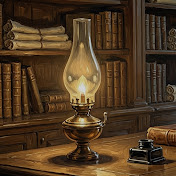
Almost everything you hear tonight is in Snow's own book or in the parish committee's report of 1855; where someone else is speaking, I say so. No screaming, no jump scares, one voice, no ad breaks, and a story that ends with the lamp going out.
Sleep well.
— Dr Elias Marlow, the Sleepless Doctor
⏱ CHAPTERS
00:00:00 A Day in the Life of John Snow, Soho 1854
00:04:17 Chapter 1 — Who you are
00:07:06 Chapter 2 — The morning of the first
00:12:04 Chapter 3 — What you hear on the Saturday
00:15:15 Chapter 3A — The house on Berwick Street
00:19:34 Chapter 4 — What everybody believes
00:22:29 Chapter 5 — The third of September
00:25:51 Chapter 6 — The list
00:30:45 Chapter 7 — The ones that did not fit
00:35:59 Chapter 8 — The widow at West End
00:39:58 Chapter 9 — Thursday the seventh
00:44:18 Chapter 10 — What it cost
00:49:15 Chapter 11 — Frances
📚 SOURCES
• John Snow, On the Mode of Communication of Cholera, 2nd edition, London 1855 — the death counts, the door-to-door inquiry, the brewery, the workhouse, the Hampstead widow, and Snow's own statement that it is impossible to decide whether the handle's removal did anything.
• Report on the Cholera Outbreak in the Parish of St James, Westminster, during the Autumn of 1854, Cholera Inquiry Committee, London 1855 — Henry Whitehead's report, the weather, the surveyor's excavation of the drain at No. 40 on 23 April 1855.
• Henry Whitehead, The Cholera in Berwick Street, London 1854.
• Registrar-General, Weekly Return of Births and Deaths in London, week ending 9 September 1854 — the Hampstead death and the entry at 40 Broad Street, checked against the printed Return.
• General Board of Health, Report of the Committee for Scientific Inquiries, London 1855 — the rejection of Snow's explanation.
• B. W. Richardson's memoir of Snow, 1858 — the chloroform for Queen Victoria, and what the book cost him to print.
A note on honesty: the date the outbreak began is genuinely disputed in the sources themselves, and whether taking the handle off changed anything is still open. Snow and Whitehead both said it could not be decided. This episode does not decide it either.
A Day in the Life of John Snow, Soho 1854 | History for Sleep
TheSleeplessDoctor
86 views
A Day in the Life of the Doctors of History is a series about the physicians who changed medicine, for good or for worse. Tonight you live one week in the life of John Snow, physician and anaesthetist, of 18 Sackville Street, Piccadilly, in the first days of September 1854.
You already know how this story ends. He takes the handle off the pump and the dying stops.
That is not what happened, and Snow said so himself, in print, against his own interest.
✨ IN THIS EPISODE
• No rain fell in London from 25 August to 11 September. The sky was near cloudless. In one week the air moved 195 miles — the stillest week of the year.
• 616 people died. More than five hundred of them inside 250 yards of one street corner, in ten days. Three streets in four stood empty within a week.
• Snow looked at the pump water on the evening of 3 September and was not convinced by it. It looked clean.
• Seventy men worked at the brewery on Broad Street. Not one was seriously ill. They drank the beer.
• 535 people lived in the workhouse a few doors away. Five died. It had its own well.
• A widow in Hampstead had the water carted out to her because she liked the taste. She died on 2 September, two miles from Soho. Her death is printed in the Registrar-General's Weekly Return for that week.
• The handle came off on Friday 8 September. Both Snow and Henry Whitehead wrote, afterwards and in public, that by then the outbreak had already passed its peak.
• The proof came seven months later, and not from Snow. It came from a 29-year-old curate who had set out to prove him wrong.
• The General Board of Health considered Snow's explanation and rejected it: “After careful inquiry, we see no reason to adopt this belief.” He died in 1858, aged 45, without seeing it accepted.
Almost everything you hear tonight is in Snow's own book or in the parish committee's report of 1855; where someone else is speaking, I say so. No screaming, no jump scares, one voice, no ad breaks, and a story that ends with the lamp going out.
Sleep well.
— Dr Elias Marlow, the Sleepless Doctor
⏱ CHAPTERS
00:00:00 A Day in the Life of John Snow, Soho 1854
00:04:17 Chapter 1 — Who you are
00:07:06 Chapter 2 — The morning of the first
00:12:04 Chapter 3 — What you hear on the Saturday
00:15:15 Chapter 3A — The house on Berwick Street
00:19:34 Chapter 4 — What everybody believes
00:22:29 Chapter 5 — The third of September
00:25:51 Chapter 6 — The list
00:30:45 Chapter 7 — The ones that did not fit
00:35:59 Chapter 8 — The widow at West End
00:39:58 Chapter 9 — Thursday the seventh
00:44:18 Chapter 10 — What it cost
00:49:15 Chapter 11 — Frances
📚 SOURCES
• John Snow, On the Mode of Communication of Cholera, 2nd edition, London 1855 — the death counts, the door-to-door inquiry, the brewery, the workhouse, the Hampstead widow, and Snow's own statement that it is impossible to decide whether the handle's removal did anything.
• Report on the Cholera Outbreak in the Parish of St James, Westminster, during the Autumn of 1854, Cholera Inquiry Committee, London 1855 — Henry Whitehead's report, the weather, the surveyor's excavation of the drain at No. 40 on 23 April 1855.
• Henry Whitehead, The Cholera in Berwick Street, London 1854.
• Registrar-General, Weekly Return of Births and Deaths in London, week ending 9 September 1854 — the Hampstead death and the entry at 40 Broad Street, checked against the printed Return.
• General Board of Health, Report of the Committee for Scientific Inquiries, London 1855 — the rejection of Snow's explanation.
• B. W. Richardson's memoir of Snow, 1858 — the chloroform for Queen Victoria, and what the book cost him to print.
A note on honesty: the date the outbreak began is genuinely disputed in the sources themselves, and whether taking the handle off changed anything is still open. Snow and Whitehead both said it could not be decided. This episode does not decide it either.