Почему мы делаем то, чего сами не хотим? Александр Хакимов
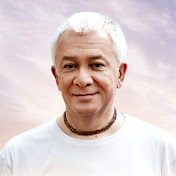
Александр Хакимов • Официальный канал
5,870 views
We can understand that we're doing wrong, promise ourselves we'll change, and yet still return to our old behavior. Why does this happen? And is it truly possible for a person to change their own character?
In this lecture, Alexander Khakimov explains why our nature continually returns us to habitual reactions. He uses the simple image of a dog's tail: as long as you hold it, it remains straight, but as soon as you let go, it curls again. Similarly, Alexander explains, a person can promise, "I won't do that again," but after a while, their behavior returns to its former state.
Alexander Gennadievich speaks about the force that compels a person to act contrary to their own understanding of good and evil, and explains how the desire for self-enjoyment is connected to the mode of passion. But then the conversation turns to a deeper question: what can help a person transcend this nature?
He recalls a period in his life when he felt a strong aversion to people and couldn't understand the reason for it. A simple question from a woman he knew turned out to be a turning point: "What good have you done for people that makes you hate them?" Through this story, Alexander begins a conversation about service, sacrifice, and love—and shows why love manifests itself not only in feelings but also in the willingness to do something for another.
In this issue:
Why a person understands that they are doing wrong, but still repeats the same behavior;
What does the image of a dog's tail symbolize, and why is character so difficult to change;
What force can compel a person to act against their own will;
Why the desire to live only for oneself is associated with the mode of passion;
Why true love is associated with a willingness to sacrifice oneself;
The story of a woman who saved a child at the cost of her own life;
Why Alexander Gennadievich felt disgusted by people in his youth and feared that something was wrong with him;
What question helped him rethink his own attitudes toward people;
Why love can be learned through service;
The story of Kunti and Karna from the Mahabharata and the tragedy of the lack of connection between mother and son;
Why domination cannot teach the subtleties of relationships that service teaches;
How love helps a person overcome difficulties and perceive trials as opportunities to learn.
What is the most difficult thing for you to change about yourself—a habit, a character, or an attitude toward people? Let us know in the comments 👇🏻
Subscribe to the channel to stay up to date with Alexander Khakimov's new lectures on character, relationships, destiny, consciousness, and spiritual development.
⭐️ Enjoy!
Source of the fragment: Как сохранять сознание изобилия, когда вок...
Video timestamps, click:
00:00 ★ Why do we do what we don't want?
00:14 Why does our character return us to our former selves?
01:00 The Dog's Tail: Why is nature so difficult to change?
03:46 What is stronger than the instinct for self-preservation?
04:37 Why is love the highest power?
05:00 Why did Alexander develop an aversion to people in his youth?
06:41 "What good have you done for people?"
7:13 Why love can be learned through service
8:00 Where your wealth is, there will your heart be
9:00 The story of Kunti and Karna
10:00 How Kunti learned to serve Durvasa Muni
11:09 Why Kunti didn't ask for a reward
12:02 How Kunti received a mantra
12:49 Why Kunti decided to test the power of a mantra
2:35 PM Why Kunti gave up her child
2:49 PM What happened to Karna's fate
3:21 PM Why Karna felt pain and the absence of maternal love
4:00 PM How love helps you overcome difficulties
4:40 PM If you invoke the power of love, you won't notice difficulties
Links to Alexander Khakimov's resources:
https://www.ahakimov.com – the website "Lectures and books by Alexander Khakimov"
http://radio.ahakimov.com – Internet radio
ahakimovlive – live broadcast channel
Instagram: ahakimov_official – Alexander Khakimov's Instagram page
https://vm.tiktok.com/pBrvEN/ – Alexander Khakimov's TikTok channel
https://rutube.ru/channel/16601003/ – Alexander Khakimov's channel on RUTUBE
http://vk.com/cccprabhu – group of students and supporters
Facebook: ahakimov – Alexander Khakimov's Facebook page
https://www.ahakimov.com/books/knigi.... – books by Alexander Khakimov
https://goo.su/T5Hy – audiobooks by Alexander Khakimov
https://goo.su/fpNi – audiobook "Evolution" by Alexander Khakimov Consciousness"
https://goo.su/UUPR – Alexander Khakimov's audiobook "Illusion and Reality"
https://goo.su/HwYIVct – additional links to resources
#AlexanderKhakimov #character #love #relationships #spirituality #meaningoflife #service #consciousness #Mahabharata #Karma #soul #self-development #mindfulness #destiny
#AlexanderKhakimov #character #spirituality
12 Comments

Почему мы делаем то, чего сами не хотим? Александр Хакимов
Александр Хакимов • Официальный канал
5,870 views
We can understand that we're doing wrong, promise ourselves we'll change, and yet still return to our old behavior. Why does this happen? And is it truly possible for a person to change their own character?
In this lecture, Alexander Khakimov explains why our nature continually returns us to habitual reactions. He uses the simple image of a dog's tail: as long as you hold it, it remains straight, but as soon as you let go, it curls again. Similarly, Alexander explains, a person can promise, "I won't do that again," but after a while, their behavior returns to its former state.
Alexander Gennadievich speaks about the force that compels a person to act contrary to their own understanding of good and evil, and explains how the desire for self-enjoyment is connected to the mode of passion. But then the conversation turns to a deeper question: what can help a person transcend this nature?
He recalls a period in his life when he felt a strong aversion to people and couldn't understand the reason for it. A simple question from a woman he knew turned out to be a turning point: "What good have you done for people that makes you hate them?" Through this story, Alexander begins a conversation about service, sacrifice, and love—and shows why love manifests itself not only in feelings but also in the willingness to do something for another.
In this issue:
Why a person understands that they are doing wrong, but still repeats the same behavior;
What does the image of a dog's tail symbolize, and why is character so difficult to change;
What force can compel a person to act against their own will;
Why the desire to live only for oneself is associated with the mode of passion;
Why true love is associated with a willingness to sacrifice oneself;
The story of a woman who saved a child at the cost of her own life;
Why Alexander Gennadievich felt disgusted by people in his youth and feared that something was wrong with him;
What question helped him rethink his own attitudes toward people;
Why love can be learned through service;
The story of Kunti and Karna from the Mahabharata and the tragedy of the lack of connection between mother and son;
Why domination cannot teach the subtleties of relationships that service teaches;
How love helps a person overcome difficulties and perceive trials as opportunities to learn.
What is the most difficult thing for you to change about yourself—a habit, a character, or an attitude toward people? Let us know in the comments 👇🏻
Subscribe to the channel to stay up to date with Alexander Khakimov's new lectures on character, relationships, destiny, consciousness, and spiritual development.
⭐️ Enjoy!
Source of the fragment: Как сохранять сознание изобилия, когда вок...
Video timestamps, click:
00:00 ★ Why do we do what we don't want?
00:14 Why does our character return us to our former selves?
01:00 The Dog's Tail: Why is nature so difficult to change?
03:46 What is stronger than the instinct for self-preservation?
04:37 Why is love the highest power?
05:00 Why did Alexander develop an aversion to people in his youth?
06:41 "What good have you done for people?"
7:13 Why love can be learned through service
8:00 Where your wealth is, there will your heart be
9:00 The story of Kunti and Karna
10:00 How Kunti learned to serve Durvasa Muni
11:09 Why Kunti didn't ask for a reward
12:02 How Kunti received a mantra
12:49 Why Kunti decided to test the power of a mantra
2:35 PM Why Kunti gave up her child
2:49 PM What happened to Karna's fate
3:21 PM Why Karna felt pain and the absence of maternal love
4:00 PM How love helps you overcome difficulties
4:40 PM If you invoke the power of love, you won't notice difficulties
Links to Alexander Khakimov's resources:
https://www.ahakimov.com – the website "Lectures and books by Alexander Khakimov"
http://radio.ahakimov.com – Internet radio
ahakimovlive – live broadcast channel
Instagram: ahakimov_official – Alexander Khakimov's Instagram page
https://vm.tiktok.com/pBrvEN/ – Alexander Khakimov's TikTok channel
https://rutube.ru/channel/16601003/ – Alexander Khakimov's channel on RUTUBE
http://vk.com/cccprabhu – group of students and supporters
Facebook: ahakimov – Alexander Khakimov's Facebook page
https://www.ahakimov.com/books/knigi.... – books by Alexander Khakimov
https://goo.su/T5Hy – audiobooks by Alexander Khakimov
https://goo.su/fpNi – audiobook "Evolution" by Alexander Khakimov Consciousness"
https://goo.su/UUPR – Alexander Khakimov's audiobook "Illusion and Reality"
https://goo.su/HwYIVct – additional links to resources
#AlexanderKhakimov #character #love #relationships #spirituality #meaningoflife #service #consciousness #Mahabharata #Karma #soul #self-development #mindfulness #destiny
#AlexanderKhakimov #character #spirituality