Vespa 400 : l'italienne que Fiat a tuée et que la France a sauvée
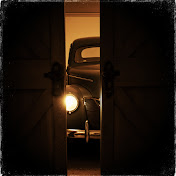
Garage du Passé
15,818 views
Vespa 400: The Italian car that Fiat killed and France saved.
In 1956, Piaggio, the creator of the world's most famous scooter, finally had its first car. It was ready, it ran, and it would never run in Italy. A simple phone call from Turin was all it took: Fiat forbade all Italian suppliers from delivering a single part to Piaggio, under penalty of losing their own orders. No lawsuit, no scandal, not a single line in the press. Just a silent embargo that made production impossible in its own country.
So Piaggio did what no one in Turin had imagined: it crossed the Alps. Destination: Fourchambault, in the Nièvre region, to ACMA, a factory itself created to circumvent French customs. The bodywork was entrusted to Facel, the manufacturer of the Facel-Vega. The headlights came from Auteroche, the locks from Ronis, the carburetor from Solex, the starter from Paris-Rhône, and the ignition from Ducellier. Upon arrival, only one Italian part remained in the entire car: a Borgo piston.
393 cc, 2 cylinders, 2-stroke, 12 horsepower, 90 km/h, 2.85 m long, 375 kg. Presented on September 26, 1957, at the Pré Catelan with three legendary drivers, and entered in the Monte Carlo Rally in 1958 with the blessing of Juan Manuel Fangio, the Vespa 400 reached 12,130 units in 1958 before its sales plummeted. 34,017 cars were sold in four years, then silence in 1961. Why did this Italian car, in exile, fail despite improving every year and its price decreasing? And why, 70 years later, might the winner of this battle not be who you think?
Music used in this video: Eyes of Glory - Aakash Gandhi / When Johnny Comes Marching Home - Cooper Cannell.
The photographs are from archive.org and are in the public domain.
20 Comments
Non seulement elle a traité d'une voiture singulière, mais elle a aussi souligné cette bataille souterraine de Fiat, que je ne connaissais pas.
Et vous, vous auriez parié sur Piaggio ou sur Fiat ?
Peut être que cette vespa 400 aurait pû être vendue par l'intermédiaire des concessions Facel Vega , mais il y en avait certainement très peu ??
Le marché de l'automobile évoluait tras rapidement dans les années des 30 glorieuses. Début des années 60 les besoins en matière automobile ont changé! exit les véhicules spartiats sous motorisées et sous équipées, les conducteurs cherchaient des modèles plus spacieux plus performants mieux équipés. Un véhicule mi automobile mi deux roues n'avait plus sa place dans cette logique de marché.
C'est probablement ce qui a tuait la vespa 400.
C'est beau les commentaires assités pa IA, mais ça fait pas tout....pas encore... sinon, c'est intéressant surtout sur les entreprises qui existent en France.
Elle roulait jusqu'à 90klmh plus vite que les 2 ch de l époque
Avec sont moteur 2 temps deux pistons avec deux vis platines qui petaradait au râlent et ce sincronisait à l axeleration
Malheureusement on m'a coupé la priorité et à fini à la casse
Contrairement à ce qui dit , le moteur n'a rien en commun avec le moteur du scooter. Juste le nom est commun.
Vespa 400 : l'italienne que Fiat a tuée et que la France a sauvée
Garage du Passé
15,818 views
Vespa 400: The Italian car that Fiat killed and France saved.
In 1956, Piaggio, the creator of the world's most famous scooter, finally had its first car. It was ready, it ran, and it would never run in Italy. A simple phone call from Turin was all it took: Fiat forbade all Italian suppliers from delivering a single part to Piaggio, under penalty of losing their own orders. No lawsuit, no scandal, not a single line in the press. Just a silent embargo that made production impossible in its own country.
So Piaggio did what no one in Turin had imagined: it crossed the Alps. Destination: Fourchambault, in the Nièvre region, to ACMA, a factory itself created to circumvent French customs. The bodywork was entrusted to Facel, the manufacturer of the Facel-Vega. The headlights came from Auteroche, the locks from Ronis, the carburetor from Solex, the starter from Paris-Rhône, and the ignition from Ducellier. Upon arrival, only one Italian part remained in the entire car: a Borgo piston.
393 cc, 2 cylinders, 2-stroke, 12 horsepower, 90 km/h, 2.85 m long, 375 kg. Presented on September 26, 1957, at the Pré Catelan with three legendary drivers, and entered in the Monte Carlo Rally in 1958 with the blessing of Juan Manuel Fangio, the Vespa 400 reached 12,130 units in 1958 before its sales plummeted. 34,017 cars were sold in four years, then silence in 1961. Why did this Italian car, in exile, fail despite improving every year and its price decreasing? And why, 70 years later, might the winner of this battle not be who you think?
Music used in this video: Eyes of Glory - Aakash Gandhi / When Johnny Comes Marching Home - Cooper Cannell.
The photographs are from archive.org and are in the public domain.
En outre, malgré sa faible puissance, elle disposait d'une maniabilité fantastique qui la rendait passionnante pour un conducteur "sportif" sur une petite route tortueuse.
J'ai fait rougir de honte quelques bourgeois en Aronde ou en 203 sur ma route de l'époque.
Sa conduite était celle d'un kart fou furieux et l'on pouvait prendre les virages difficiles à plat ou en descente aussi vite que n'importe quelle auto de l'époque ! Avec 12 CV seulement ! Elle glissait des 4 roues, ou de l'arrière, à volonté, et pour celui qui aimait s'amuser au volant, c'était un régal. Mais il semble que ce plaisir ne soit plus guère admis de nos jours, où la conduite doit être "normale" et aseptisée, sur cette Terre devenue trop peuplée.