Una mirada en Autlán de Navarro , Jalisco
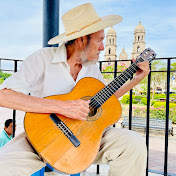
Don Cornelio Garcia Ramírez
9,486 views
Musical opening of the program From Kiosk to Kiosk and welcome from Don Cornelio García to the second program dedicated to Autlán de Navarro.
*01:17 – 02:20* | *Conversation with the Municipal Chronicler:* A meeting with the chronicler, his work, and how the profession of researching local history and traditions began.
*02:21 – 04:35* | *History and Urban Layout:* The meaning of the name Autlán ("next to the water path"), its pre-Hispanic origins, the Franciscan convent of 1543, and the traditional Barrio de las Montañas (Mountain Quarter) with its labyrinthine streets.
*04:36 – 06:23* | *Role in Mexican History:* Autlán's strategic importance and strategic location in various civil wars, from the colonial era and the Reform War to the Revolution and the Cristero War.
* *06:24 – 08:30* | *The Autlán Bullfighting Carnival:* A tradition of over 200 years, bullfights, rodeos, large-scale events, and the enduring presence of bullfighting in the region.
*08:31 – 11:35* | *Tourist Attractions and Agricultural Vocation:* Its proximity to the beaches, the mountains, and the Rulfo region (San Gabriel, Tuxcacuesco, Tonaya), in addition to the cultivation of sugarcane, agave, corn, and the harvesting of pitayas (dragon fruit).
*Leather Crafts (Saddlery and Leather Goods):* Interview with artisan Juan Rubio; the history of the Los Garañones brand, its beginnings making cell phone cases, and anecdotes from his personal collection.
*Chiseling and Embossing Techniques:* The artisanal process of freehand design, the differences between saddlers and leatherworkers, traditional tools, and working with petatillo (woven matting).
Autlán Identity and International Projection:** The cultural mural in his workshop and the value of the "Made in Autlán, Jalisco" seal.
Municipal Culture with Esdras López Mundo:* A talk with the Director of Art, Culture, and Education of Autlán about supporting local artists at the House of Culture and the Museum.
Musical Training and Ensembles:* The ECOS Center (children's and youth symphony orchestra), the music school inspired by Carlos Santana, wind bands, rondallas (traditional string ensembles), and dance.
Visual Arts and Literature Workshops:* Painting classes (color theory), drawing, and creative writing and poetry workshops at the museum and library. * Museum Activities and Musical Trends:** Permanent and temporary exhibitions, workshops on the requinto guitar (docerola), and a discussion on traditional instrumentation in contemporary regional music (tololoche, brass instruments, and guitars).
Closing Remarks:** Episode conclusion, greetings, and closing of the program *From Kiosk to Kiosk*.
Una mirada en Autlán de Navarro , Jalisco
Don Cornelio Garcia Ramírez
9,486 views
Musical opening of the program From Kiosk to Kiosk and welcome from Don Cornelio García to the second program dedicated to Autlán de Navarro.
*01:17 – 02:20* | *Conversation with the Municipal Chronicler:* A meeting with the chronicler, his work, and how the profession of researching local history and traditions began.
*02:21 – 04:35* | *History and Urban Layout:* The meaning of the name Autlán ("next to the water path"), its pre-Hispanic origins, the Franciscan convent of 1543, and the traditional Barrio de las Montañas (Mountain Quarter) with its labyrinthine streets.
*04:36 – 06:23* | *Role in Mexican History:* Autlán's strategic importance and strategic location in various civil wars, from the colonial era and the Reform War to the Revolution and the Cristero War.
* *06:24 – 08:30* | *The Autlán Bullfighting Carnival:* A tradition of over 200 years, bullfights, rodeos, large-scale events, and the enduring presence of bullfighting in the region.
*08:31 – 11:35* | *Tourist Attractions and Agricultural Vocation:* Its proximity to the beaches, the mountains, and the Rulfo region (San Gabriel, Tuxcacuesco, Tonaya), in addition to the cultivation of sugarcane, agave, corn, and the harvesting of pitayas (dragon fruit).
*Leather Crafts (Saddlery and Leather Goods):* Interview with artisan Juan Rubio; the history of the Los Garañones brand, its beginnings making cell phone cases, and anecdotes from his personal collection.
*Chiseling and Embossing Techniques:* The artisanal process of freehand design, the differences between saddlers and leatherworkers, traditional tools, and working with petatillo (woven matting).
Autlán Identity and International Projection:** The cultural mural in his workshop and the value of the "Made in Autlán, Jalisco" seal.
Municipal Culture with Esdras López Mundo:* A talk with the Director of Art, Culture, and Education of Autlán about supporting local artists at the House of Culture and the Museum.
Musical Training and Ensembles:* The ECOS Center (children's and youth symphony orchestra), the music school inspired by Carlos Santana, wind bands, rondallas (traditional string ensembles), and dance.
Visual Arts and Literature Workshops:* Painting classes (color theory), drawing, and creative writing and poetry workshops at the museum and library. * Museum Activities and Musical Trends:** Permanent and temporary exhibitions, workshops on the requinto guitar (docerola), and a discussion on traditional instrumentation in contemporary regional music (tololoche, brass instruments, and guitars).
Closing Remarks:** Episode conclusion, greetings, and closing of the program *From Kiosk to Kiosk*.