From SPAM™ to K-Pop: The Korean War and the Rise of Modern South Korea
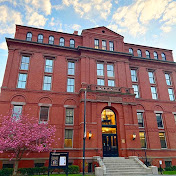
Peabody Museum of Archaeology & Ethnology
322 views
Speakers:
Sean C. Kim, Professor of History, University of Central Missouri
Ilisa Barbash, Curator of Visual Anthropology, Peabody Museum of Archaeology & Ethnology, Harvard University
South Korea has recently jumped onto the global stage through its economic rise and export of popular culture. Drawing on their new book, The Forgotten Home Front: Roger Marshutz’s Photographs of Pusan, South Korea, 1952–1954 (Peabody Museum Press and KMEC Books, 2026), coauthors Lisa Barbash and Sean Kim visually explore a key moment of transition in the development of South Korea: the Korean War (1950–1953). This conflict ruptured Korea’s traditional and colonial past and ushered in new political, economic, and cultural opportunities—under American influence—that have shaped modern South Korea. By examining this moment of change through photography, the lecture illuminates South Korea’s rise from a war-torn peninsula to an economic powerhouse and global cultural trendsetter.
Presented by the Peabody Museum of Archaeology & Ethnology and the Harvard Museums of Science and Culture in collaboration with the Harvard Korea Institute.
About the Speakers
Sean C. Kim is Professor of History at the University of Central Missouri where he teaches courses on East Asian, World, and U.S. history. Kim holds a PhD from the Department of East Asian Languages and Civilizations at Harvard University. His research focuses on modern Korean religious history, particularly the emergence of Protestant Christianity. Kim is currently working on an edited volume on Korean religions.
Ilisa Barbash is Curator of Visual Anthropology at Harvard's Peabody Museum of Archaeology & Ethnology. Her book, Where the Roads All End: Photography and Anthropology in the Kalahari (Peabody Museum Press, 2015) received the John Collier, Jr. Award from the Society for Visual Anthropology. Her coedited volume, To Make Their Own Way in the World: The Enduring Legacy of the Zealy Daguerreotypes (Aperture/Peabody Museum Press, 2020) won the 2021 Rencontres d’Arles, Best Historical Photographic Book Award.
From SPAM™ to K-Pop: The Korean War and the Rise of Modern South Korea
Peabody Museum of Archaeology & Ethnology
322 views
Speakers:
Sean C. Kim, Professor of History, University of Central Missouri
Ilisa Barbash, Curator of Visual Anthropology, Peabody Museum of Archaeology & Ethnology, Harvard University
South Korea has recently jumped onto the global stage through its economic rise and export of popular culture. Drawing on their new book, The Forgotten Home Front: Roger Marshutz’s Photographs of Pusan, South Korea, 1952–1954 (Peabody Museum Press and KMEC Books, 2026), coauthors Lisa Barbash and Sean Kim visually explore a key moment of transition in the development of South Korea: the Korean War (1950–1953). This conflict ruptured Korea’s traditional and colonial past and ushered in new political, economic, and cultural opportunities—under American influence—that have shaped modern South Korea. By examining this moment of change through photography, the lecture illuminates South Korea’s rise from a war-torn peninsula to an economic powerhouse and global cultural trendsetter.
Presented by the Peabody Museum of Archaeology & Ethnology and the Harvard Museums of Science and Culture in collaboration with the Harvard Korea Institute.
About the Speakers
Sean C. Kim is Professor of History at the University of Central Missouri where he teaches courses on East Asian, World, and U.S. history. Kim holds a PhD from the Department of East Asian Languages and Civilizations at Harvard University. His research focuses on modern Korean religious history, particularly the emergence of Protestant Christianity. Kim is currently working on an edited volume on Korean religions.
Ilisa Barbash is Curator of Visual Anthropology at Harvard's Peabody Museum of Archaeology & Ethnology. Her book, Where the Roads All End: Photography and Anthropology in the Kalahari (Peabody Museum Press, 2015) received the John Collier, Jr. Award from the Society for Visual Anthropology. Her coedited volume, To Make Their Own Way in the World: The Enduring Legacy of the Zealy Daguerreotypes (Aperture/Peabody Museum Press, 2020) won the 2021 Rencontres d’Arles, Best Historical Photographic Book Award.