【64戦隊】一式戦闘機 隼|零戦の陰に隠れた陸軍の名機とエースたちの物語|写真をAIでフルカラー復元
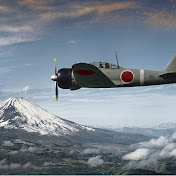
AIで蘇る戦争の記憶
86,613 views
Japan's renowned fighter aircraft, the Ki-43 Hayabusa, stood alongside the Zero Fighter. This video traces its story, from the hardships of its development, the Malayan Blitz, Takeo Kato and the 64th Sentai, Satoshi Anabuki's 39 kills, to the grueling war of attrition in New Guinea and its fate after the war's end, all with colorized historical photos.
▼ About This Video
This video uses actual historical photos fully color-restored with AI. The colors may differ from the actual colors of the time. Please let us know in the comments if you find any errors, have additional information, or interesting facts.
▼ References
Some photos were quoted from "捨身必殺 飛行第64戦隊と中村三郎大尉" (Written by Hiroshi Umemoto / Dainippon Kaiga).
Out of print.
▼ Timestamps
0:00 Introduction
1:16 Differences from the Zero Fighter
2:11 Development Hardships
3:20 Hideo Itokawa
5:00 Butterfly Flaps
6:04 Structural Flaws
7:19 First Engagement
9:21 Takeo Kato
10:58 Arch-rival Flying Tigers
12:34 Hayabusa on the Front Lines
14:25 Kato's Demise
15:58 Satoshi Anabuki
17:07 50th Sentai
18:14 Aces of the 64th Sentai
19:26 Yasuhiko Kuroe
20:39 Hayabusa Type II
21:56 China Front
23:14 New Guinea
24:26 Loss of Air Superiority
25:54 Homeland Air Defense
26:35 Inside the Cockpit
27:57 Young Pilots
29:12 Kamikaze Attacks
30:16 The End in Burma
31:42 End of the War
33:26 Second Life
34:00 Nationalist Party's Hayabusa
35:16 Summary
36:07 Incineration
▼ About Production
The photos used in this video have been color-restored one by one from actual historical photos using our unique AI technology.
#一式戦闘機隼 #加藤建夫 #穴吹智 #カラー化 #陸軍航空隊
20 Comments

そこに世界で唯一飛行可能な「隼三型甲」があるそうです。
二型に機種改変の写真は一型ですね。
機体強度や武装に物足りない面はあるけどもこの機体を使いこなして重爆にも果敢に挑んだ搭乗者達をこそ讃えるべきと思いますね。
内地から戦地まで飛行機を運ぶ責任者としてほぼ全機戦地まで届けたら、隊長が泣いて喜んで
ありがとう、こんなに飛行機を運んでくれたのは君だけだ、当時は戦地まで届くのは半数程度
だったらしい。
戦時中は隼の方が国民は馴染んでたらしいです。
国内で零戦は機密的な扱いも影響したと思われます。
逆に米軍はゼロショックで、似たような単発は何でもゼロ!と呼ばれたけど実は隼も、格闘戦はもとより、船団護衛/重爆迎撃など功績は大きいです。
戦後の「大空のサムライ」殿のお陰で零戦は有名になりました。
子供の頃は零戦、零戦でしたが
一式〜五式…知れば知るほど陸軍機にハマってきます。
細かな間違いはあると思いますが、カラー化、声質、落ち着いたBGM
上手くAIを手なづけてますね。
やったらわかるけど、AIで作るのも楽じゃない。
これからも楽しみに応援します。
【64戦隊】一式戦闘機 隼|零戦の陰に隠れた陸軍の名機とエースたちの物語|写真をAIでフルカラー復元
AIで蘇る戦争の記憶
86,613 views
Japan's renowned fighter aircraft, the Ki-43 Hayabusa, stood alongside the Zero Fighter. This video traces its story, from the hardships of its development, the Malayan Blitz, Takeo Kato and the 64th Sentai, Satoshi Anabuki's 39 kills, to the grueling war of attrition in New Guinea and its fate after the war's end, all with colorized historical photos.
▼ About This Video
This video uses actual historical photos fully color-restored with AI. The colors may differ from the actual colors of the time. Please let us know in the comments if you find any errors, have additional information, or interesting facts.
▼ References
Some photos were quoted from "捨身必殺 飛行第64戦隊と中村三郎大尉" (Written by Hiroshi Umemoto / Dainippon Kaiga).
Out of print.
▼ Timestamps
0:00 Introduction
1:16 Differences from the Zero Fighter
2:11 Development Hardships
3:20 Hideo Itokawa
5:00 Butterfly Flaps
6:04 Structural Flaws
7:19 First Engagement
9:21 Takeo Kato
10:58 Arch-rival Flying Tigers
12:34 Hayabusa on the Front Lines
14:25 Kato's Demise
15:58 Satoshi Anabuki
17:07 50th Sentai
18:14 Aces of the 64th Sentai
19:26 Yasuhiko Kuroe
20:39 Hayabusa Type II
21:56 China Front
23:14 New Guinea
24:26 Loss of Air Superiority
25:54 Homeland Air Defense
26:35 Inside the Cockpit
27:57 Young Pilots
29:12 Kamikaze Attacks
30:16 The End in Burma
31:42 End of the War
33:26 Second Life
34:00 Nationalist Party's Hayabusa
35:16 Summary
36:07 Incineration
▼ About Production
The photos used in this video have been color-restored one by one from actual historical photos using our unique AI technology.
#一式戦闘機隼 #加藤建夫 #穴吹智 #カラー化 #陸軍航空隊
コメント欄でご指摘をいただきありがとうございます。以下訂正いたします。
・3:09 「鍾馗」の読みは「しょうかい」ではなく「しょうき」です。二式単座戦闘機 鍾馗(しょうき)が正しい読みです。
@signal39jp さん、@Noripunpun さんありがとうございます。
・16:14 「戦隊長」の読みは「せんたいなが」ではなく「せんたいちょう」です。
@signal39jp さんありがとうございます。
・黒江さんの航空自衛隊時代の階級を「大佐」としていますが、航空自衛隊では旧軍の大佐に相当する階級は「1佐(1等空佐)」です。
@山寺和尚-q7p さん、ありがとうございます。
今後も正確な情報をお伝えできるよう努めてまいります。引き続きご指摘・補足をいただけますと幸いです。