Le Ramesseum : un temple et ses nécropoles - XXXIVe campagne archéologique
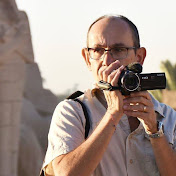
Pascal Pelletier (ASR-MAFTO)
50,832 views
This mission saw the continuation of excavations on the temple's surroundings and outbuildings.
Work on the spoil heap, in particular, led to the rediscovery of the brick foundations of the Ramesseum's southern outer wall. Consolidation work on the Ramesside walls was also carried out, as well as reinforcement work on the storeroom vaults.
This year, in particular, the excavations revealed a significant number of burials. Long before becoming the space "sacralized" by and for Ramses II, the area had served as a necropolis for certain dignitaries of the Middle Kingdom, as evidenced by the tomb of Sehetepibre (found by Quibel in 1896 and rediscovered during our 2018 mission), and also by the tomb-plot APO.CN21, where recent excavations have yielded moving burials of children, dating from the 18th Dynasty, revealing the extent to which archaeological layers have succeeded one another. After its decline, the temple was used for the burial of the priestly elite of the Third Intermediate Period. Then, the "privilege" of being buried within its walls became more widespread. More "popular" burials, both individual and collective, then took over the space, continuing into later periods. The funerary artifacts that our teams find, study, and restore, while serving as indicators of the different phases of occupation, constitute invaluable evidence of this population that had fallen into oblivion. This rediscovery of the past allows us to better understand the long and rich history of the site.
20 Comments

J'espère avoir bien seconde occasion de venir sur place. (Avec une petite pensée à André)
Par contre a 32'55 c'est plutôt une tête de crocodile (Sobek) plutôt que de chacal il me semble non? 🤔
Pas évident de bien voir sur ma télé...
C'est fascinant, merci beaucoup pour ce reportage. Je me pose une question : puisque les architectes de cette époque savaient bâtir des voûtes en brique, pourquoi cette technique n'a pas été utilisée en pierre de taille pour l'édification des temples ou autres monuments ?
Le Ramesseum : un temple et ses nécropoles - XXXIVe campagne archéologique
Pascal Pelletier (ASR-MAFTO)
50,832 views
This mission saw the continuation of excavations on the temple's surroundings and outbuildings.
Work on the spoil heap, in particular, led to the rediscovery of the brick foundations of the Ramesseum's southern outer wall. Consolidation work on the Ramesside walls was also carried out, as well as reinforcement work on the storeroom vaults.
This year, in particular, the excavations revealed a significant number of burials. Long before becoming the space "sacralized" by and for Ramses II, the area had served as a necropolis for certain dignitaries of the Middle Kingdom, as evidenced by the tomb of Sehetepibre (found by Quibel in 1896 and rediscovered during our 2018 mission), and also by the tomb-plot APO.CN21, where recent excavations have yielded moving burials of children, dating from the 18th Dynasty, revealing the extent to which archaeological layers have succeeded one another. After its decline, the temple was used for the burial of the priestly elite of the Third Intermediate Period. Then, the "privilege" of being buried within its walls became more widespread. More "popular" burials, both individual and collective, then took over the space, continuing into later periods. The funerary artifacts that our teams find, study, and restore, while serving as indicators of the different phases of occupation, constitute invaluable evidence of this population that had fallen into oblivion. This rediscovery of the past allows us to better understand the long and rich history of the site.