They Offered Her the World Bank. She Said No Twice | Dr Oby Ezekwesili
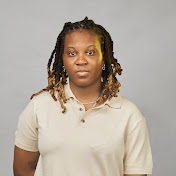
Peace Itimi
1,795 views
Oby Ezekwesili once came home from Harvard to prove that Nigeria could stop losing its money before asking the world to forgive its debt. What she found inside government procurement shocked her, and the politicians affected by her reforms let her know it.
In this conversation with Peace Itimi, Dr. Oby Ezekwesili, former Vice President of the World Bank for Africa, former Nigerian Minister of Education and Minister of Solid Minerals, and co-founder of Transparency International, talks about the work that taught her the most. She points to reforming Nigeria's public procurement system, the work that earned her the name "Madam Due Process."
She takes us back to the early 2000s, when she worked with Jeffrey Sachs on Nigeria's debt crisis. Nigeria was spending far more servicing its Paris Club debt than it spent on health or on education. The case for debt relief was strong, but the US Treasury and Congress raised a serious objection about moral hazard. She explains why that objection pushed her to focus on proving the country could close the leaks, and what she saw when she opened up how public money was actually being spent.
You will hear her explain how value for money changed under the Due Process reform, why she thinks governments across the continent have been reduced to a series of transactions, and why she asks hard questions about celebrated numbers like "we built 20,000 classrooms." She also talks about the cost of doing this work in Abuja, including the pushback from politicians and a moment before a National Assembly committee that she still remembers vividly.
The conversation goes beyond procurement. Dr. Oby explains why she insisted on writing reforms into law instead of tying them to one person, and how that thinking shaped the Extractive Industries Transparency Initiative (NEITI), the autonomy of the Geological Survey Agency, and the Mining Cadastre Office. She describes how a transparent system can remove a minister from the business of haggling over licenses, and why preventing opportunities for corruption matters more than prosecuting people afterwards.
She also tells the story of how a trip to Norway she did not want to take led to a conversation in a car with the president of the World Bank, and eventually to a role overseeing the Bank's work across 48 African countries. It is a story she refuses to call serendipity, and she explains why.
Beyond policy, this is a conversation about where her values came from. Dr. Oby describes how her parents raised her, what dignity means to her, and why she believes values, not just skills, are what boardrooms will need in an age of artificial intelligence. She shares what she would say to young Africans who want to build something that matters, and why she says to be fearless in purpose.
If you work in policy, governance, development, public service, business, or media, or you want to understand how a person turns frustration with a broken system into lasting institutions, this conversation is worth your time.
Timestamps
00:00 – Teaser and opening highlights
05:02 – Core values: Dignity, self-respect, and responsibility
09:40 – Mother's influence, work ethic, and balancing multi-faceted roles
13:25 – Principles of service, self-discipline, and purpose-driven living
21:03 – Human-beingness, soft skills, and character in the age of AI
25:43 – Reforming Nigeria's public procurement system
42:15 – Codifying reforms into law
45:34 – Reforming the solid minerals sector
52:41 – Evidence-based policy and addressing root causes of corruption in education
57:34 – Dr. Oby's perspective on purpose vs. serendipity
01:00:10 – The story behind becoming Vice President of the World Bank Africa Region
01:11:40 – Dr. Oby's key advice for young people
01:15:35 – The role of faith, accountability to God, and remaining grounded
01:21:40 – Passing the baton to the next generation of African leaders
01:23:38 – Closing thoughts
5 Comments

They Offered Her the World Bank. She Said No Twice | Dr Oby Ezekwesili
Peace Itimi
1,795 views
Oby Ezekwesili once came home from Harvard to prove that Nigeria could stop losing its money before asking the world to forgive its debt. What she found inside government procurement shocked her, and the politicians affected by her reforms let her know it.
In this conversation with Peace Itimi, Dr. Oby Ezekwesili, former Vice President of the World Bank for Africa, former Nigerian Minister of Education and Minister of Solid Minerals, and co-founder of Transparency International, talks about the work that taught her the most. She points to reforming Nigeria's public procurement system, the work that earned her the name "Madam Due Process."
She takes us back to the early 2000s, when she worked with Jeffrey Sachs on Nigeria's debt crisis. Nigeria was spending far more servicing its Paris Club debt than it spent on health or on education. The case for debt relief was strong, but the US Treasury and Congress raised a serious objection about moral hazard. She explains why that objection pushed her to focus on proving the country could close the leaks, and what she saw when she opened up how public money was actually being spent.
You will hear her explain how value for money changed under the Due Process reform, why she thinks governments across the continent have been reduced to a series of transactions, and why she asks hard questions about celebrated numbers like "we built 20,000 classrooms." She also talks about the cost of doing this work in Abuja, including the pushback from politicians and a moment before a National Assembly committee that she still remembers vividly.
The conversation goes beyond procurement. Dr. Oby explains why she insisted on writing reforms into law instead of tying them to one person, and how that thinking shaped the Extractive Industries Transparency Initiative (NEITI), the autonomy of the Geological Survey Agency, and the Mining Cadastre Office. She describes how a transparent system can remove a minister from the business of haggling over licenses, and why preventing opportunities for corruption matters more than prosecuting people afterwards.
She also tells the story of how a trip to Norway she did not want to take led to a conversation in a car with the president of the World Bank, and eventually to a role overseeing the Bank's work across 48 African countries. It is a story she refuses to call serendipity, and she explains why.
Beyond policy, this is a conversation about where her values came from. Dr. Oby describes how her parents raised her, what dignity means to her, and why she believes values, not just skills, are what boardrooms will need in an age of artificial intelligence. She shares what she would say to young Africans who want to build something that matters, and why she says to be fearless in purpose.
If you work in policy, governance, development, public service, business, or media, or you want to understand how a person turns frustration with a broken system into lasting institutions, this conversation is worth your time.
Timestamps
00:00 – Teaser and opening highlights
05:02 – Core values: Dignity, self-respect, and responsibility
09:40 – Mother's influence, work ethic, and balancing multi-faceted roles
13:25 – Principles of service, self-discipline, and purpose-driven living
21:03 – Human-beingness, soft skills, and character in the age of AI
25:43 – Reforming Nigeria's public procurement system
42:15 – Codifying reforms into law
45:34 – Reforming the solid minerals sector
52:41 – Evidence-based policy and addressing root causes of corruption in education
57:34 – Dr. Oby's perspective on purpose vs. serendipity
01:00:10 – The story behind becoming Vice President of the World Bank Africa Region
01:11:40 – Dr. Oby's key advice for young people
01:15:35 – The role of faith, accountability to God, and remaining grounded
01:21:40 – Passing the baton to the next generation of African leaders
01:23:38 – Closing thoughts
Mehn!!
Only 3 people has made me feel the way I felt watching — Late Dora Akunyili, The NOI, and Mrs. Ibukun Awosika; now Aunty Oby. And they all women, Whoshhh!!!! I’m obsessed! I was just seeing myself and my future in the entire conversation.
Thank you for this. Very recently I’ve been having a challenge in school where I was being punished, labeled, and targeted for refusing an arrangement that goes against academic integrity. I stood and I’m still standing because I believe in national transformation. So the conversation gave me validation.
Do we have men in this league? I’d love to read and listen to them as well.