Shahid Khaqan Abbasi: 2024 Election Was a Revolution | A Dialogue with History
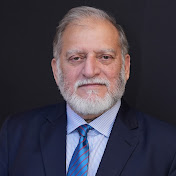
Orya Maqbool Jan
254,400 views
Former Prime Minister Shahid Khaqan Abbasi joins Orya Maqbool Jan on A Dialogue with History for a wide-ranging conversation about Pakistan’s political journey from 1988 to 2024—and what must change next.
Abbasi recounts his unexpected entry into politics after the Ojhri Camp tragedy, describes an alleged two-crore-rupee political offer, and shares his assessment of the 2018 and 2024 elections, public mandate, rule of law and institutional decline.
The conversation also examines Balochistan and missing persons, Pakistan–Afghanistan relations and the TAPI gas pipeline, Azad Kashmir, the former FATA merger, provincial governance, bureaucracy, development spending, prison and political reflection, Shahid Khaqan Abbasi’s account of the 1999 aircraft episode, Pakistan’s relations with China and Türkiye, elite capture, direct taxation, the petroleum levy, CNIC-linked tax filing and agricultural income tax.
Podcast: A Dialogue with History
Host: Orya Maqbool Jan
Guest: Shahid Khaqan Abbasi
Language: Urdu
CHAPTERS
00:00 Programme introduction
02:22 Opening and guest introduction
03:23 Entry into politics after the Ojhri Camp tragedy
07:35 The alleged two-crore offer and the 1988 vote
12:05 Pakistan’s elections from 1988 to 2024
16:00 Is Pakistan’s system failing?
18:32 The 1970 and 2024 public mandates
20:34 Rule of law and constitutional order
20:52 Balochistan: security, trust and representation
26:24 Afghanistan policy and the TAPI gas pipeline
32:38 Missing persons and the state’s moral authority
35:40 Rebuilding institutions and public trust
38:43 Azad Kashmir protests and representation
43:10 KP, the former FATA merger and unfulfilled promises
46:58 New provinces and provincial governance
50:31 Public spending, corruption and project choices
52:32 Prison, reflection and political lessons
54:07 Shahid Khaqan Abbasi’s account of the 1999 aircraft episode
01:01:39 The 1953 martial law and bureaucratic power
01:03:59 How Pakistan’s bureaucracy can be reformed
01:06:06 How the federal government should function
01:08:53 IPPs, ministers and policy responsibility
01:15:38 Foreign policy: China, Türkiye and trade
01:20:44 Elite capture and Pakistan’s tax system
01:23:47 Tax amnesty and lower tax rates
01:26:01 CNIC-linked tax filing
01:27:29 Petroleum levy and indirect taxation
01:28:53 Agricultural income tax
01:29:30 Closing remarks
Watch the complete conversation and share the point you consider most important. Subscribe for more long-form discussions on Pakistan’s political and institutional history.
Editorial note: This programme contains political commentary, personal recollections, opinions and allegations attributed to the speakers. Their inclusion does not constitute independent verification or endorsement.
#ShahidKhaqanAbbasi #OryaMaqboolJan #ADialogueWithHistory
Also Subscribe: @harferaazwithoryamaqbooljan
#OryaMaqboolJan #harferaaz
Follow on:
Twitter: Twitter: OryaMaqboolJan
Facebook: Facebook: OryaMJ
20 Comments

My Brave Leader ❤️ Imran Khan ❤️ Zindabad ❤️
Shahid Khaqan Abbasi: 2024 Election Was a Revolution | A Dialogue with History
Orya Maqbool Jan
254,400 views
Former Prime Minister Shahid Khaqan Abbasi joins Orya Maqbool Jan on A Dialogue with History for a wide-ranging conversation about Pakistan’s political journey from 1988 to 2024—and what must change next.
Abbasi recounts his unexpected entry into politics after the Ojhri Camp tragedy, describes an alleged two-crore-rupee political offer, and shares his assessment of the 2018 and 2024 elections, public mandate, rule of law and institutional decline.
The conversation also examines Balochistan and missing persons, Pakistan–Afghanistan relations and the TAPI gas pipeline, Azad Kashmir, the former FATA merger, provincial governance, bureaucracy, development spending, prison and political reflection, Shahid Khaqan Abbasi’s account of the 1999 aircraft episode, Pakistan’s relations with China and Türkiye, elite capture, direct taxation, the petroleum levy, CNIC-linked tax filing and agricultural income tax.
Podcast: A Dialogue with History
Host: Orya Maqbool Jan
Guest: Shahid Khaqan Abbasi
Language: Urdu
CHAPTERS
00:00 Programme introduction
02:22 Opening and guest introduction
03:23 Entry into politics after the Ojhri Camp tragedy
07:35 The alleged two-crore offer and the 1988 vote
12:05 Pakistan’s elections from 1988 to 2024
16:00 Is Pakistan’s system failing?
18:32 The 1970 and 2024 public mandates
20:34 Rule of law and constitutional order
20:52 Balochistan: security, trust and representation
26:24 Afghanistan policy and the TAPI gas pipeline
32:38 Missing persons and the state’s moral authority
35:40 Rebuilding institutions and public trust
38:43 Azad Kashmir protests and representation
43:10 KP, the former FATA merger and unfulfilled promises
46:58 New provinces and provincial governance
50:31 Public spending, corruption and project choices
52:32 Prison, reflection and political lessons
54:07 Shahid Khaqan Abbasi’s account of the 1999 aircraft episode
01:01:39 The 1953 martial law and bureaucratic power
01:03:59 How Pakistan’s bureaucracy can be reformed
01:06:06 How the federal government should function
01:08:53 IPPs, ministers and policy responsibility
01:15:38 Foreign policy: China, Türkiye and trade
01:20:44 Elite capture and Pakistan’s tax system
01:23:47 Tax amnesty and lower tax rates
01:26:01 CNIC-linked tax filing
01:27:29 Petroleum levy and indirect taxation
01:28:53 Agricultural income tax
01:29:30 Closing remarks
Watch the complete conversation and share the point you consider most important. Subscribe for more long-form discussions on Pakistan’s political and institutional history.
Editorial note: This programme contains political commentary, personal recollections, opinions and allegations attributed to the speakers. Their inclusion does not constitute independent verification or endorsement.
#ShahidKhaqanAbbasi #OryaMaqboolJan #ADialogueWithHistory
Also Subscribe: @harferaazwithoryamaqbooljan
#OryaMaqboolJan #harferaaz
Follow on:
Twitter: Twitter: OryaMaqboolJan
Facebook: Facebook: OryaMJ