Mérida y el Henequén: Las Casonas del Paseo y los Cuartos de Atrás
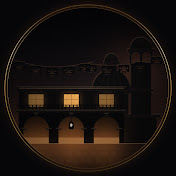
Calles de Antes
81,127 views
In 1905, Mérida boasted an avenue modeled after Paris, and just two blocks away, single-room houses where the people who had paid for them lived. The same fiber—henequen, the green gold—sustained both cities: Paseo de Montejo and the back rooms. This is daily life in Mérida during the henequen boom, between 1880 and 1915, told from both sides of the same street.
📌 What you will learn
• What henequen was and why a harvesting machine in the United States transformed Yucatán into one of the richest places on the continent.
• What a mansion on Paseo de Montejo looked like inside and who sustained it: the kitchen, the well water, the servants, and the elite.
• What the back room and the henequen plantation were like: the engine house, the task of cutting agave leaves, the daily wage in cents, and the company store, with its two versions.
• Which mansions and plantations still stand today, who lives in them, and what happened to the Mayan, Yaqui, and Korean workers. Educational and historical content.
📚 Main Sources
• Allen Wells, "Yucatán's Gilded Age: Haciendas, Henequen, and International Harvester, 1860-1915," University of New Mexico Press
• John Kenneth Turner, "México Bárbaro" (1911) — a chronicle of the period
• National Digital Newspaper Archive of Mexico (HNDM, UNAM) — Yucatecan press of the period
• INEGI — Population Censuses, Yucatán (1900 and 1910)
• INAH — Regional Museum of Anthropology of Yucatán, Palacio Cantón
— and other sources.
#HistoryOfMexico #Mérida #Yucatán #Henequen #PaseoDeMontejo #Porfiriato #DailyLife #WorkingHypothecaryHistory #OldStreets #AncientMexico
20 Comments
Mérida y el Henequén: Las Casonas del Paseo y los Cuartos de Atrás
Calles de Antes
81,127 views
In 1905, Mérida boasted an avenue modeled after Paris, and just two blocks away, single-room houses where the people who had paid for them lived. The same fiber—henequen, the green gold—sustained both cities: Paseo de Montejo and the back rooms. This is daily life in Mérida during the henequen boom, between 1880 and 1915, told from both sides of the same street.
📌 What you will learn
• What henequen was and why a harvesting machine in the United States transformed Yucatán into one of the richest places on the continent.
• What a mansion on Paseo de Montejo looked like inside and who sustained it: the kitchen, the well water, the servants, and the elite.
• What the back room and the henequen plantation were like: the engine house, the task of cutting agave leaves, the daily wage in cents, and the company store, with its two versions.
• Which mansions and plantations still stand today, who lives in them, and what happened to the Mayan, Yaqui, and Korean workers. Educational and historical content.
📚 Main Sources
• Allen Wells, "Yucatán's Gilded Age: Haciendas, Henequen, and International Harvester, 1860-1915," University of New Mexico Press
• John Kenneth Turner, "México Bárbaro" (1911) — a chronicle of the period
• National Digital Newspaper Archive of Mexico (HNDM, UNAM) — Yucatecan press of the period
• INEGI — Population Censuses, Yucatán (1900 and 1910)
• INAH — Regional Museum of Anthropology of Yucatán, Palacio Cantón
— and other sources.
#HistoryOfMexico #Mérida #Yucatán #Henequen #PaseoDeMontejo #Porfiriato #DailyLife #WorkingHypothecaryHistory #OldStreets #AncientMexico