Extinct Human Species Get Worse the More You Learn About Them
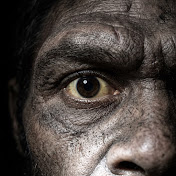
Richard Uncovers Humanity
155,556 views
What did extinct human species do that made the scientists who found them wish they hadn't looked?
One species left butchery marks on its own kind 1.45 million years ago — before language, before burial, before anyone had drawn a line on a cave wall. Another targeted children so consistently that researchers stopped calling the remains "victims" and started calling them "prey." A third selected its targets by size and sex with a precision that looked less like hunger and more like strategy. And the species at the bottom of the list — the one that did all of it and understood every bit of it — is the one watching this video.
Six species. Six levels of escalation. Not by violence — by awareness.
▬▬▬▬▬▬▬▬▬▬▬▬▬▬▬▬
📌 IN THIS VIDEO: — The 1.45-million-year-old shin bone that sat in a museum drawer for 53 years before anyone turned it over — Why 75% of the victims at Gran Dolina were children — in a valley full of food — The Neanderthal site where every person eaten was a small-built outsider — Five matches between Flores Island legends and the fossils found underground — The cave chamber 30 meters deep that required an 18-centimeter squeeze — and held 15 bodies placed there in total darkness — The 15,000-year-old skull cups carved by your direct ancestors at Gough's Cave
▬▬▬▬▬▬▬▬▬▬▬▬▬▬▬▬
🔬 KEY SOURCES:
Pobiner et al. (2023) — 1.45Mya tibia cut marks — Scientific Reports
Fernández-Jalvo et al. (1999) — TD6 cannibalism — Journal of Human Evolution
Saladié et al. (2025) — TD6 child decapitation
Carbonell et al. (2010) — Homo antecessor cannibalism patterns
Welker et al. (2020) — Enamel proteomics, antecessor phylogenetic placement
Cosnefroy et al. (2025) — Goyet selective cannibalism — Scientific Reports
Defleur et al. (1999) — Moula-Guercy — Science
Rosas et al. (2006, 2012) — El Sidrón cannibalism
Morwood et al. (2004, 2005) — Homo floresiensis discovery
Détroit et al. (2019) — Homo luzonensis — Nature
Berger et al. (2015, 2023) — Homo naledi burial evidence
Bello et al. (2015, 2017) — Gough's Cave skull cups and engravings
▬▬▬▬▬▬▬▬▬▬▬▬▬▬▬▬
Subscribe for the real investigation behind human origins — not the version anyone simplifies for comfort.
#extincthumans #humanevolution #homoerectus #homoantecessor #neanderthal #homofloresiensis #homonaledi #ancienthumans #paleoanthropology #documentary
20 Comments

5:40 I guess humans have always eaten the babies/children of different species since the beginning of time. They’re more tender and don’t have the tough muscle of adult animals.
That's how we evolved for 2 millions years.
Extinct Human Species Get Worse the More You Learn About Them
Richard Uncovers Humanity
155,556 views
What did extinct human species do that made the scientists who found them wish they hadn't looked?
One species left butchery marks on its own kind 1.45 million years ago — before language, before burial, before anyone had drawn a line on a cave wall. Another targeted children so consistently that researchers stopped calling the remains "victims" and started calling them "prey." A third selected its targets by size and sex with a precision that looked less like hunger and more like strategy. And the species at the bottom of the list — the one that did all of it and understood every bit of it — is the one watching this video.
Six species. Six levels of escalation. Not by violence — by awareness.
▬▬▬▬▬▬▬▬▬▬▬▬▬▬▬▬
📌 IN THIS VIDEO: — The 1.45-million-year-old shin bone that sat in a museum drawer for 53 years before anyone turned it over — Why 75% of the victims at Gran Dolina were children — in a valley full of food — The Neanderthal site where every person eaten was a small-built outsider — Five matches between Flores Island legends and the fossils found underground — The cave chamber 30 meters deep that required an 18-centimeter squeeze — and held 15 bodies placed there in total darkness — The 15,000-year-old skull cups carved by your direct ancestors at Gough's Cave
▬▬▬▬▬▬▬▬▬▬▬▬▬▬▬▬
🔬 KEY SOURCES:
Pobiner et al. (2023) — 1.45Mya tibia cut marks — Scientific Reports
Fernández-Jalvo et al. (1999) — TD6 cannibalism — Journal of Human Evolution
Saladié et al. (2025) — TD6 child decapitation
Carbonell et al. (2010) — Homo antecessor cannibalism patterns
Welker et al. (2020) — Enamel proteomics, antecessor phylogenetic placement
Cosnefroy et al. (2025) — Goyet selective cannibalism — Scientific Reports
Defleur et al. (1999) — Moula-Guercy — Science
Rosas et al. (2006, 2012) — El Sidrón cannibalism
Morwood et al. (2004, 2005) — Homo floresiensis discovery
Détroit et al. (2019) — Homo luzonensis — Nature
Berger et al. (2015, 2023) — Homo naledi burial evidence
Bello et al. (2015, 2017) — Gough's Cave skull cups and engravings
▬▬▬▬▬▬▬▬▬▬▬▬▬▬▬▬
Subscribe for the real investigation behind human origins — not the version anyone simplifies for comfort.
#extincthumans #humanevolution #homoerectus #homoantecessor #neanderthal #homofloresiensis #homonaledi #ancienthumans #paleoanthropology #documentary