학생처럼 읽지 마라: 책을 완벽히 흡수하는 파인만의 독서법
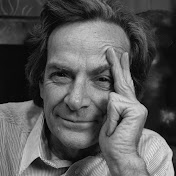
파인만의 길
238,059 views
Have you ever finished reading a book only to find that you failed to properly utilize its contents?
Many people read books, underline passages, and take notes.
However, after a few weeks, most of those ideas vanish.
The problem might not be the quantity of reading.
The problem is the way you read.
Richard Feynman did not study by simply absorbing a large amount of information.
He formulated questions before reading, boldly skipped over parts he already knew, and attempted to re-explain core concepts himself.
If he could not explain a concept in simple terms, he believed he had not yet truly understood it.
Inspired by Feynman's learning style, this video explores how to go beyond simply reading books to actually understanding, remembering, and utilizing them.
Why can underlining and rereading create an illusion of learning?
Why is the process of retrieving information from memory and explaining it much more powerful?
And why does true understanding begin the moment difficult concepts are rephrased in simple language?
This method can be applied to any field, including exam preparation, programming, business reading, self-development, and science studies. What is more important than reading many books is the ability to transform what you have read into your own thoughts.
This is precisely where the difference lies between those who consume knowledge and those who know how to use it.
In the Feynman Way, we view learning and reality anew through scientific thinking.
#RichardFeynman #FeynmanMethod #ReadingMethod #StudyMethod #LearningMethod #Memory #Comprehension #SelfDevelopment #DeepLearning #CriticalThinking #ScientificThinking #Reading #Feynman
📚 References
Richard P. Feynman — Surely You're Joking, Mr. Feynman!
Richard P. Feynman — The Pleasure of Finding Things Out
Richard P. Feynman — What Do You Care What Other People Think?
Richard P. Feynman, Robert B. Leighton, Matthew Sands — The Feynman Lectures on Physics
Barbara Oakley — A Mind for Numbers
Benedict Carey — How We Learn
Stanislas Dehaene — How We Learn
Peter C. Brown, Henry L. Roediger III, Mark A. McDaniel — Make It Stick
Mortimer J. Adler, Charles Van Doren — How to Read a Book
Cal Newport — Deep Work
20 Comments

1. 여러번 읽어서 익숙해진 상태: 인지심리적으로 어색하지 않을 뿐 아는것과는 다르다
2. 암기를 해서 되뇌일 수 있는 정도. : 암기를 했을 뿐
3. 암기한 것을 줄줄 써내려갔다. : 암기를 했을 뿐이다
4. 누군가 물어봤을때. 설명해줄 수 있는 분량만큼이 내가 알고 있는 분량이다.
책의 첫 장을 넘기자마자 내 정곡을 찌른 작가의 말이 있었다. ‘삶은 주어진 운명이 아니라 매일 내가 선택하고 쌓아 올린 삶의 방식이 만들어 낸 결과물이다.’
정말 ㅎㅎ 책이 너무 깨끗해 거의 줄을 안 그읏다고 할 정도로 뭐 간간히 메모가 있긴 했는데
이 글을 읽고 그 친구가 혹시 이 파인만의 전기를 읽었던 건 아닐까 싶기도 하네...ㅎㅎ
명확한 타겟 질문 설정: 단순히 순서대로 읽지 말고, 해결하고 싶은 구체적인 문제나 궁금증을 먼저 정의한 뒤, 그 답을 찾기 위해 책을 사냥하듯 읽습니다.
텅 빈 백지에 다시 조립하기: 읽은 내용을 책 없이 백지에 자기만의 언어로 다시 설명해 봅니다. 막히는 부분이 있다면, 그 지점이 바로 자신이 제대로 이해하지 못한 '지식의 빈틈'입니다.
가르치듯 테스트하기: 학습한 내용을 아무것도 모르는 사람에게 설명한다고 상상하며 소리 내어 말해 봅니다. 이 과정을 통해 논리의 오류를 발견하고 완전한 이해에 도달할 수 있습니다.
무지의 기록 작성: '내가 아직 모르는 것들'을 꾸준히 기록하고, 이 무지를 하나씩 지워 나가는 것을 독서의 목표로 삼습니다.
첫번째 부인 아아린이 병들엇을때 자기 스스로
아내 병을 공부해서
의사에게 의견을물으니
싫어하더란거조
그후 그가 알아보니
의사란족속들은
그런권위를 조아하는것들이더라고
비아냥거린게 생각나네요
원체 아인슈타인 급천재니
의사를 비아냥거릴만한분이조
중요한 시험을 앞두고 하나의 문제에 해답을 얻기위해 십여권의 책을 찾았보았던 기억이 그래서 그 문제에 대해선 논술을 잘 쓸 수 있었죠 십여권의 책을 샅샅이 읽은게 아니라 데이터베이스처럼 활용했고 궁금한걸 찾아내느라 탐험과 발굴하듯이 보았네요 굿
파인만 같은 위대한 사람들의 방식이 정답이라는 고정관념부터 경계해야됨 파인만의 세상과 보통 사람들의 세상은 다르다고 나는 생각함
학생처럼 읽지 마라: 책을 완벽히 흡수하는 파인만의 독서법
파인만의 길
238,059 views
Have you ever finished reading a book only to find that you failed to properly utilize its contents?
Many people read books, underline passages, and take notes.
However, after a few weeks, most of those ideas vanish.
The problem might not be the quantity of reading.
The problem is the way you read.
Richard Feynman did not study by simply absorbing a large amount of information.
He formulated questions before reading, boldly skipped over parts he already knew, and attempted to re-explain core concepts himself.
If he could not explain a concept in simple terms, he believed he had not yet truly understood it.
Inspired by Feynman's learning style, this video explores how to go beyond simply reading books to actually understanding, remembering, and utilizing them.
Why can underlining and rereading create an illusion of learning?
Why is the process of retrieving information from memory and explaining it much more powerful?
And why does true understanding begin the moment difficult concepts are rephrased in simple language?
This method can be applied to any field, including exam preparation, programming, business reading, self-development, and science studies. What is more important than reading many books is the ability to transform what you have read into your own thoughts.
This is precisely where the difference lies between those who consume knowledge and those who know how to use it.
In the Feynman Way, we view learning and reality anew through scientific thinking.
#RichardFeynman #FeynmanMethod #ReadingMethod #StudyMethod #LearningMethod #Memory #Comprehension #SelfDevelopment #DeepLearning #CriticalThinking #ScientificThinking #Reading #Feynman
📚 References
Richard P. Feynman — Surely You're Joking, Mr. Feynman!
Richard P. Feynman — The Pleasure of Finding Things Out
Richard P. Feynman — What Do You Care What Other People Think?
Richard P. Feynman, Robert B. Leighton, Matthew Sands — The Feynman Lectures on Physics
Barbara Oakley — A Mind for Numbers
Benedict Carey — How We Learn
Stanislas Dehaene — How We Learn
Peter C. Brown, Henry L. Roediger III, Mark A. McDaniel — Make It Stick
Mortimer J. Adler, Charles Van Doren — How to Read a Book
Cal Newport — Deep Work