Die Wissenschaft hinter optimaler Herz-Kreislauf-Gesundheit | Prof. Martin Halle #27
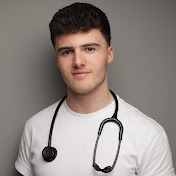
Modern Medicine mit Alessandro Falcone
21,940 views
Deep dive into cardiovascular health with Prof. Martin Halle, Medical Director of Preventive Sports Medicine and Sports Cardiology at the Technical University of Munich.
Why isn't strength training alone enough to optimally strengthen the cardiovascular system?
What are the best methods for measuring cardiovascular health?
How long should you refrain from exercise after a cold to protect your heart?
Why is it so important to know your resting heart rate?
You'll learn all this and much more in this episode!
Modern Medicine thrives on the support of its listeners. If you'd like to help keep this going and also receive exclusive bonus content, you can support me here: https://steady.page/modern-medicine
00:00:00 Intro
00:00:55 The Effects of Exercise on the Heart
00:02:00 Resting Heart Rate & Stroke Volume
00:03:45 Blood Vessel Elasticity
00:06:00 Acute vs. Chronic Effects
00:08:00 Fat Cells & Muscle Cells
00:10:00 Optimal Training Strategies for the Cardiovascular System
00:12:00 Heart Attack Protection Through Collateral Circulation
00:13:30 Strength Training vs. Cardio
00:14:30 Why Strength Training Alone Isn't Enough
00:17:50 What Does a Good Cardio Workout Look Like?
00:18:30 Recovery Time
00:20:00 Sample Training Week
00:25:00 Zone 2 vs. HIIT
00:28:00 Time-Efficient Training
00:31:00 Short Training Sessions
00:35:00 Measurement Methods: Wearables
00:37:30 VO2max
00:39:00 Lactate Test
00:40:00 Normal Resting Heart Rate
00:41:00 Is There Such a Thing as a Low Heart Rate?
00:41:00 00:43:30 Imaging: Cardiac Ultrasound, MRI, CT
00:45:00 Benefits of Ultrasound
00:48:00 Taking a Break from Sports During Colds
00:49:00 Myocarditis
00:52:00 Effect of COVID-19 on the Heart
00:54:30 Closing Remarks
Instagram: Instagram: med.alessandro
Instagram sportmedizintum: Instagram: sportmedizintum
Website of Preventive Sports Cardiology and Sports Medicine at TUM: https://www.google.com/search?client=...
Studies Mentioned & Links:
https://pubmed.ncbi.nlm.nih.gov/34669...
Music from #InAudio: https://inaudio.org/
LIFELIKE (TECHNOLOGY)
20 Comments

Sie bestätigen und erklären es sehr gut, auch „Effekte“ meines Herz-/Kreislaufsystem, denn ich gehöre mit meiner niedrigen Ruhe-/Herzfrequenz und auch mit meinem niedrigen Blutdruck von 114/63, auch zu den Menschen die Sie beschreiben und das alles ohne Medikamente einzunehmen.
Freue mich auf weitere Podcast's
Liebe Grüße
Mach weiterso!! Mein Abbo hast du!!😊
Gern mal 'ne Episode mit Prof. Dr. Stephan Geisler zu Krafttraining und/oder eine mit Prof. Dr. Billy Sperlich zum Thema HIIT und/oder auch mal mit Prof. Dr. Dr. Jürgen Giessing zu Kreatin und/oder zu HIT, wenn's sich organisieren lässt. Würde alles wsl. auch großen Mehrwert liefern. Als ein paar Ideen. Sind ja deren Schwerpunkte.
Kräftigen Gruß
Stavros
Die Wissenschaft hinter optimaler Herz-Kreislauf-Gesundheit | Prof. Martin Halle #27
Modern Medicine mit Alessandro Falcone
21,940 views
Deep dive into cardiovascular health with Prof. Martin Halle, Medical Director of Preventive Sports Medicine and Sports Cardiology at the Technical University of Munich.
Why isn't strength training alone enough to optimally strengthen the cardiovascular system?
What are the best methods for measuring cardiovascular health?
How long should you refrain from exercise after a cold to protect your heart?
Why is it so important to know your resting heart rate?
You'll learn all this and much more in this episode!
Modern Medicine thrives on the support of its listeners. If you'd like to help keep this going and also receive exclusive bonus content, you can support me here: https://steady.page/modern-medicine
00:00:00 Intro
00:00:55 The Effects of Exercise on the Heart
00:02:00 Resting Heart Rate & Stroke Volume
00:03:45 Blood Vessel Elasticity
00:06:00 Acute vs. Chronic Effects
00:08:00 Fat Cells & Muscle Cells
00:10:00 Optimal Training Strategies for the Cardiovascular System
00:12:00 Heart Attack Protection Through Collateral Circulation
00:13:30 Strength Training vs. Cardio
00:14:30 Why Strength Training Alone Isn't Enough
00:17:50 What Does a Good Cardio Workout Look Like?
00:18:30 Recovery Time
00:20:00 Sample Training Week
00:25:00 Zone 2 vs. HIIT
00:28:00 Time-Efficient Training
00:31:00 Short Training Sessions
00:35:00 Measurement Methods: Wearables
00:37:30 VO2max
00:39:00 Lactate Test
00:40:00 Normal Resting Heart Rate
00:41:00 Is There Such a Thing as a Low Heart Rate?
00:41:00 00:43:30 Imaging: Cardiac Ultrasound, MRI, CT
00:45:00 Benefits of Ultrasound
00:48:00 Taking a Break from Sports During Colds
00:49:00 Myocarditis
00:52:00 Effect of COVID-19 on the Heart
00:54:30 Closing Remarks
Instagram: Instagram: med.alessandro
Instagram sportmedizintum: Instagram: sportmedizintum
Website of Preventive Sports Cardiology and Sports Medicine at TUM: https://www.google.com/search?client=...
Studies Mentioned & Links:
https://pubmed.ncbi.nlm.nih.gov/34669...
Music from #InAudio: https://inaudio.org/
LIFELIKE (TECHNOLOGY)